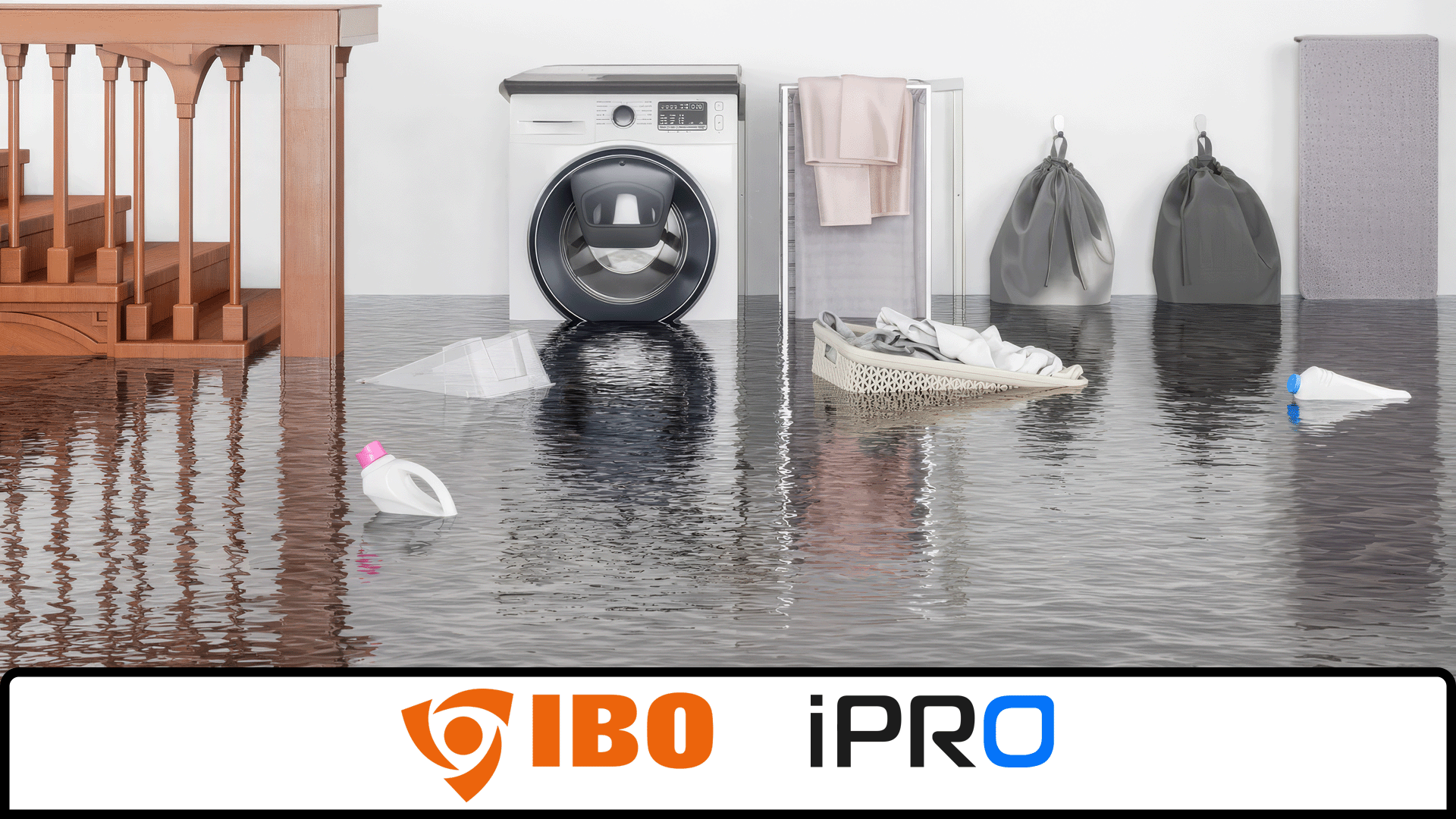
Flooding in a room is an unexpected event that can affect us at any time. It can occur for many reasons, including snowmelt, heavy rainfall, water-supply failures, roof damage, or a flood wave. It is certainly a problem we want to solve as quickly as possible. Water that remains in our home is harmful to the building and its structure, as well as, in the long term, to our health and well-being. A fast, well-planned response is therefore essential. But how can you effectively pump water out of flooded rooms? What should you remember? And what equipment should you choose? You will learn this from our article.
What should you remember?
Regardless of how extensive the damage caused by water remaining in our home is, it is worth remembering a few key points. First of all, you should determine the cause of the damage. If the flooding was caused by rapidly accumulating rainwater, we can begin pumping it out almost immediately. However, if the danger resulted from a high groundwater level, we must wait. For the rescue operation to be safe and effective, the situation must stabilize. If we start working too soon, the foundations may be washed away, with potentially serious consequences.
Another important issue is where to drain the pumped-out water. Naturally, it should not be discharged into the garden, from where it could return, for example, to our basement. So where should it be discharged? A good solution is to pump the standing water into a drainage well located at a considerable distance, using a long discharge hose.
Flooded room—which pump should you choose?
Removing water from a flooded room requires the use of a suitable pump. How do you choose a model that will meet your expectations? First of all, you should consider whether the water in question is classified as clean or dirty water. What does this mean? Dirty water contains contaminants, including fibrous and solid particles. Naturally, liquid standing, for example, in our basement may contain sand, stones, branches, or leaves. It is therefore even more important to choose the right tool, one that will not be damaged during operation. Information on whether a particular pump is suitable for pumping water can be found in the specifications supplied with it, which include, among other things, the impeller passage diameter.
It is also important to consider the type of impeller used in the pump model: is it made of steel or plastic? If the water being pumped contains sand, we should not choose the latter option. It is also worth checking the pump's capacity—how much water it can pump within a specified time—as well as its so-called head, meaning the maximum height to which it can transport the liquid.
It is also worth checking whether the pump we use is equipped with a pre-filter or a grinder, as is the case with KFBU pumps intended for drainage work. Our equipment should also include additional features, such as a float switch that turns the pump on or off depending on the water level, or a thermal switch that protects it from overheating.
Quality or price?
What is the answer to this question? Does a good drainage pump that you can use to pump out water have to be expensive? It turns out that it does not! Take advantage of our offer and see for yourself that excellent quality and a reasonable price can go hand in hand.
For many years, we have been manufacturing various types of pumps distinguished by their innovation and functionality. We design and produce them, as well as distribute and export high-quality pumps for a wide range of applications. We cooperate with the world's leading manufacturers, and we create every product with customer convenience and satisfaction in mind. All our water pumps come with a warranty, and our service center carries out the necessary repairs and maintenance work. We also provide comprehensive technical support at every stage of our cooperation. Check out our offer today!