There are many types of pumps available on the market. Individual models differ in their parameters, specifications, and intended uses. If you are wondering what characterizes diaphragm pumps, this article is for you. It describes how these devices work and outlines the many benefits of using them.
Operating principle
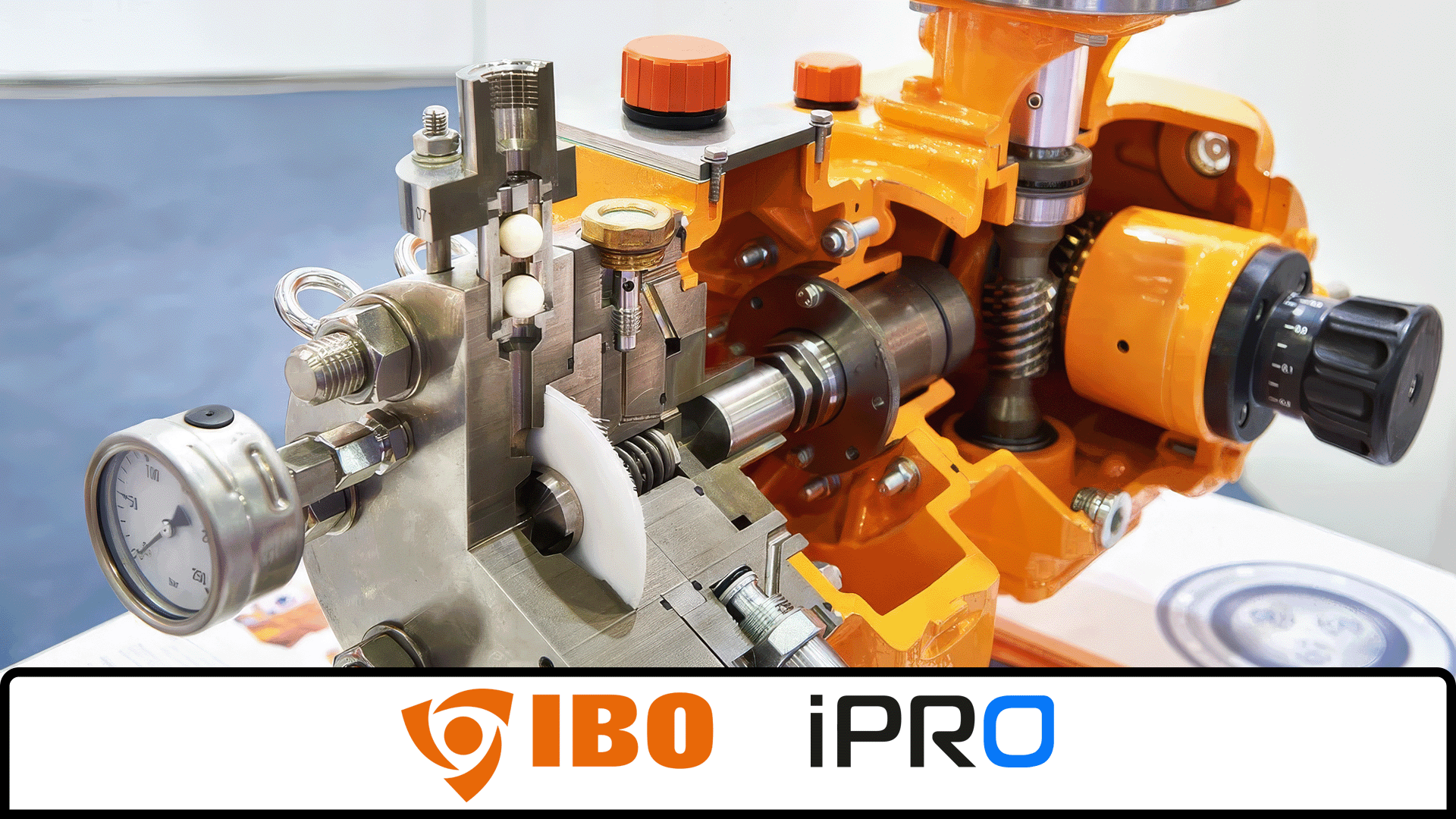
As the name suggests, diaphragm pumps operate using diaphragms. But how exactly does the entire process work? Important components include precisely installed valves located at the pump inlet and outlet. They make it possible to create a suction effect on the suction side and a discharge effect on the discharge side. It should also be added that individual pump models differ in the type of drive they use. Some operate using an internal combustion engine or an electric motor, while others use a pneumatic or hydraulic drive. This medium, namely the drive, makes it possible to act on one of the diaphragms, which in turn is connected by a common shaft to the second element of this type. The resulting cyclic movements are repeated continuously as long as the drive remains active.
In the case of a diaphragm pump, important parameters include maximum capacity; actual capacity, which depends, among other things, on the type of material involved as well as its viscosity and density; and the pressure achieved. It is also worth checking whether a given pump model has smooth compressed-air flow adjustment, can be connected to an automatic control system, allows the maximum capacity to be adjusted using a valve, and provides control over the number of operating cycles.
Diaphragm pumps - applications
Diaphragm pumps are a broad group of devices used in many situations. The first associations are certainly the chemical, electroplating, and mechanical industries, as well as the construction sector. However, that is not all.
Thanks to their specific design, diaphragm pumps allow liquids to be handled safely without the risk of spillage or contamination. These tools are also highly leak-tight, which in turn guarantees the safety of individual workers. In addition, their use helps maintain the highest level of hygiene. All of this means that diaphragm pumps are widely used in the food, pharmaceutical, and cosmetics industries.
Advantages of using diaphragm pumps
Experts agree: diaphragm pumps are above all highly effective and efficient. However, these tools offer many more advantages. Their characteristic self-priming capability works even at depths of several meters, and every pump is versatile, allowing operations such as mixing, dosing, and pumping. The innovative nature of diaphragm pumps is also evident in their resistance to harmful factors encountered during operation. They are ideal for use with flammable liquids, chemically aggressive substances, and liquids containing solid contaminants.
Other advantages of diaphragm pumps include the ability to operate at low temperatures, the absence of foaming and overheating of fluids, and the ability to operate using contaminated air. Modern models available on our website also contain a relatively small number of parts, allowing them to operate more efficiently while being less prone to failure. They also provide smoother operation, with the number of undesirable pulsations reduced almost to zero. Based on all these features, we can conclude that the diaphragm pumps currently available combine everything needed for smooth and efficient operation in various fields.
Quality and materials used
The proper operation of a diaphragm pump depends largely on the materials used in its production. It turns out that the so-called wet end, meaning the part that comes into direct contact with the fluid, is made using materials such as grounded acetal, polypropylene, Kynar (PVDF), as well as metals including cast iron, Hastelloy, stainless steel, and aluminum. Other raw materials are used to produce the so-called working components. For diaphragms, materials such as Santoprene, neoprene, Geolast, Viton, Buna-N, Teflon/Santoprene, and Hytrel are valued; seats are made from hardened stainless steel, aluminum, cast iron, Santoprene, or polypropylene. Valve balls, in turn, are made from materials such as Geolast, polyurethane, acetal, neoprene, Santoprene, Viton, stainless steel, Buna-N, Teflon, and Hytrel for food-grade products.