W In every field, we strive for efficiency and faster operation. To achieve these goals, we need to use tools suited to each situation. After all, each has different specifications and therefore serves a somewhat different purpose. The same is true of widely used pumps. There are many types available, and each works somewhat differently. W In this article, we explain what a peripheral pump is and how it works. What are its characteristic features? And what can we use it for? Find out in our article.
Peripheral pump - what is it?
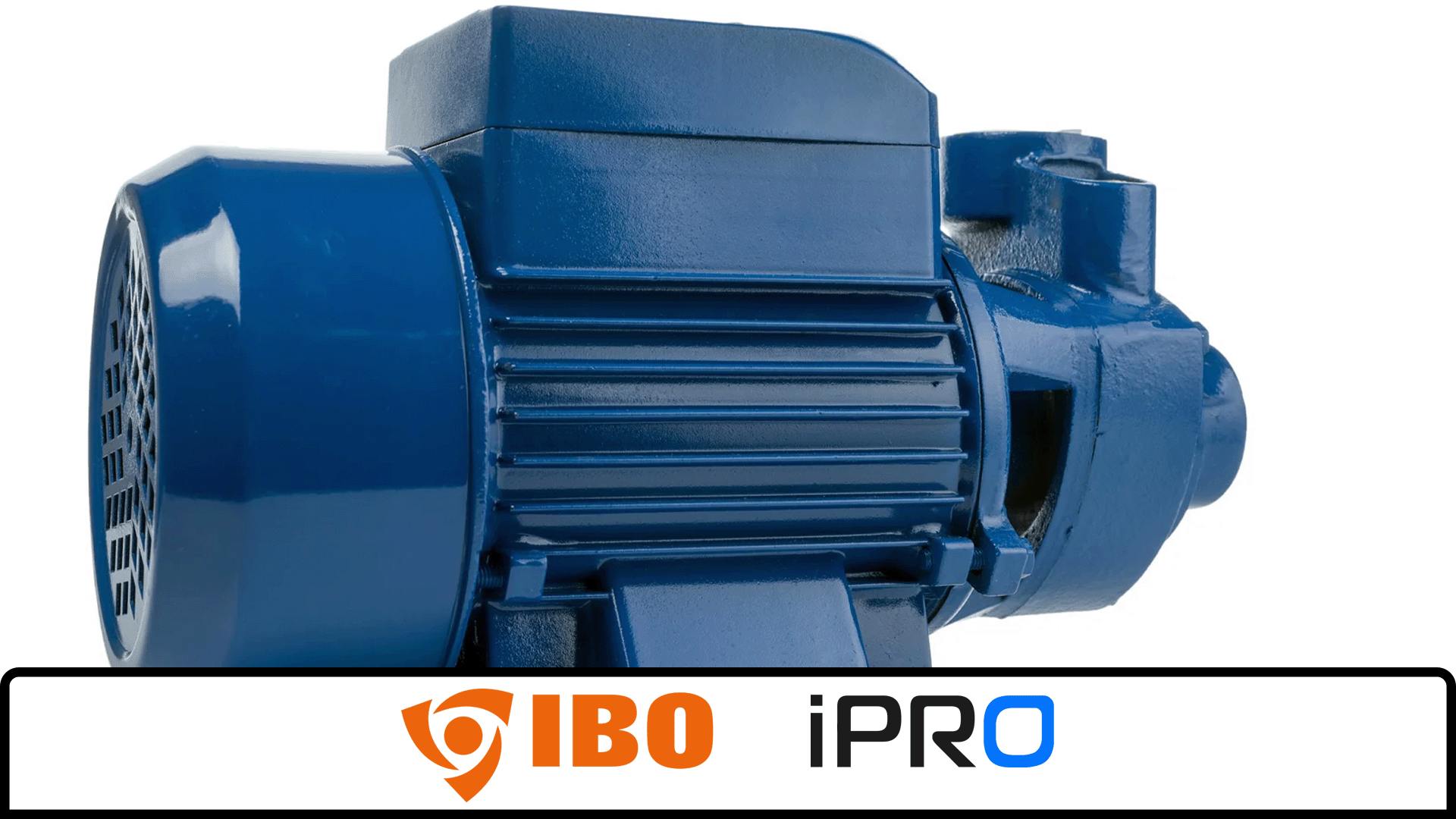
A peripheral pump (also known as a regenerative pump) is a centrifugal pump with additional capabilities. Its main component is an impeller fitted with a set of short blades arranged around the pump's outer circumference. The mechanism is arranged so that the impeller rotates inside a concentric collecting channel.
What is the operating principle of a peripheral pump? It turns out that the repeated circulation of liquid between the impeller blades and the collecting channel increases pressure as the liquid travels from the suction port to the discharge port. This is what allows peripheral pumps to achieve the greatest pumping heights - up to two hundred meters per stage. This is exceptional compared with other similar centrifugal pumps. Peripheral pumps also have the lowest specific speeds. Their main characteristics also include a steep QH curve and the ability to operate even when the liquid contains a large amount of gas or when cavitation is strongly developed. Remember that peripheral pumps should always be started with the discharge valve open.
Main application
Due to their design, peripheral pumps cannot be used in all conditions. Their mechanism works efficiently only in clean water, meaning water free of contaminants, including various types of debris, solid particles, abrasives, and fibrous matter. If the pumped liquid contains any of these elements, the mechanism may fail or become completely damaged. It is also important that the water does not contain harmful chemicals that could cause corrosion.
Given the above, where can a peripheral pump be used? It is particularly useful in homes, greenhouses, vacation homes, and small-scale industry. It is ideal for watering gardens and lawns, as well as filling and emptying water tanks. Peripheral pumps can also be used in car washes, fountains, and swimming pools - anywhere water needs to be supplied under pressure.
Peripheral pump - design
The design can be divided into two main parts: the hydraulic section and the motor required for operation. As mentioned, a peripheral pump is a centrifugal pump, usually single-stage and monoblock, with horizontal-axis suction and vertical upward discharge. Most standard models are based on components such as a suction port, cast-iron housing, pump impeller, ceramic gland, rubber slinger, ball bearings, stainless steel shaft, discharge port, cast-iron cover connector, and terminal box.
When choosing a pump that meets your needs, it’s worth considering its specifications first and foremost. These include the mechanism’s flow rate, delivery head, maximum operating pressure, maximum fluid temperature, maximum suction lift, and connection diameter.
Our selection
If you’re looking for a pump that will do its job for years to come, take a look at our selection. One of the products available in our store is the 4SKM INOX peripheral submersible pump. What sets this model apart? Thanks to its innovative design and high-quality materials, our pump is reliable and highly functional. Its advantages also include quick installation and removal, quiet operation, and a compact design. The product is also energy-efficient and equipped with thermal protection. The hydraulic section is made of stainless steel, and the set includes a 15-meter power cable. Discover today how this and other peripheral pump models can make your life easier.