The decision to choose between a deep well and a dug well depends on many factors that every specialist should consider. Nowadays, as environmental and natural resource protection becomes increasingly important, having your own water source is becoming a more popular solution, especially in places where access to the water supply network is limited or expensive. An installer undertaking the construction of such a water source must thoroughly understand the differences between the two technologies in order to advise the client on the best solution.
Formalities and permits
One of the first aspects to consider is the need to obtain the appropriate permits for well construction. In the case of a deep well, if its depth exceeds 30 meters or the expected water extraction is more than 5 m³ per day, a water permit is required. For a dug well, which usually reaches the first aquifer and does not exceed a depth of 15 meters, notifying the municipality is sufficient, simplifying the administrative procedures.
Dug well – simplicity and costs
Dug wells are popular because of their simple construction and lower installation costs compared with deep wells. They are an ideal solution in places where water is located close to the surface. The main advantage of a dug well is that it is shallower and does not require advanced drilling equipment. The cost of excavating one meter is approximately PLN 1,000, making this solution less economical for investors with a limited budget.
Dug wells draw water from the first aquifer, which may involve a greater risk of contamination. This water can also dry up during periods of drought. Therefore, despite their lower initial costs, dug wells are a less stable solution in the long term.
Deep well – stability and high water quality
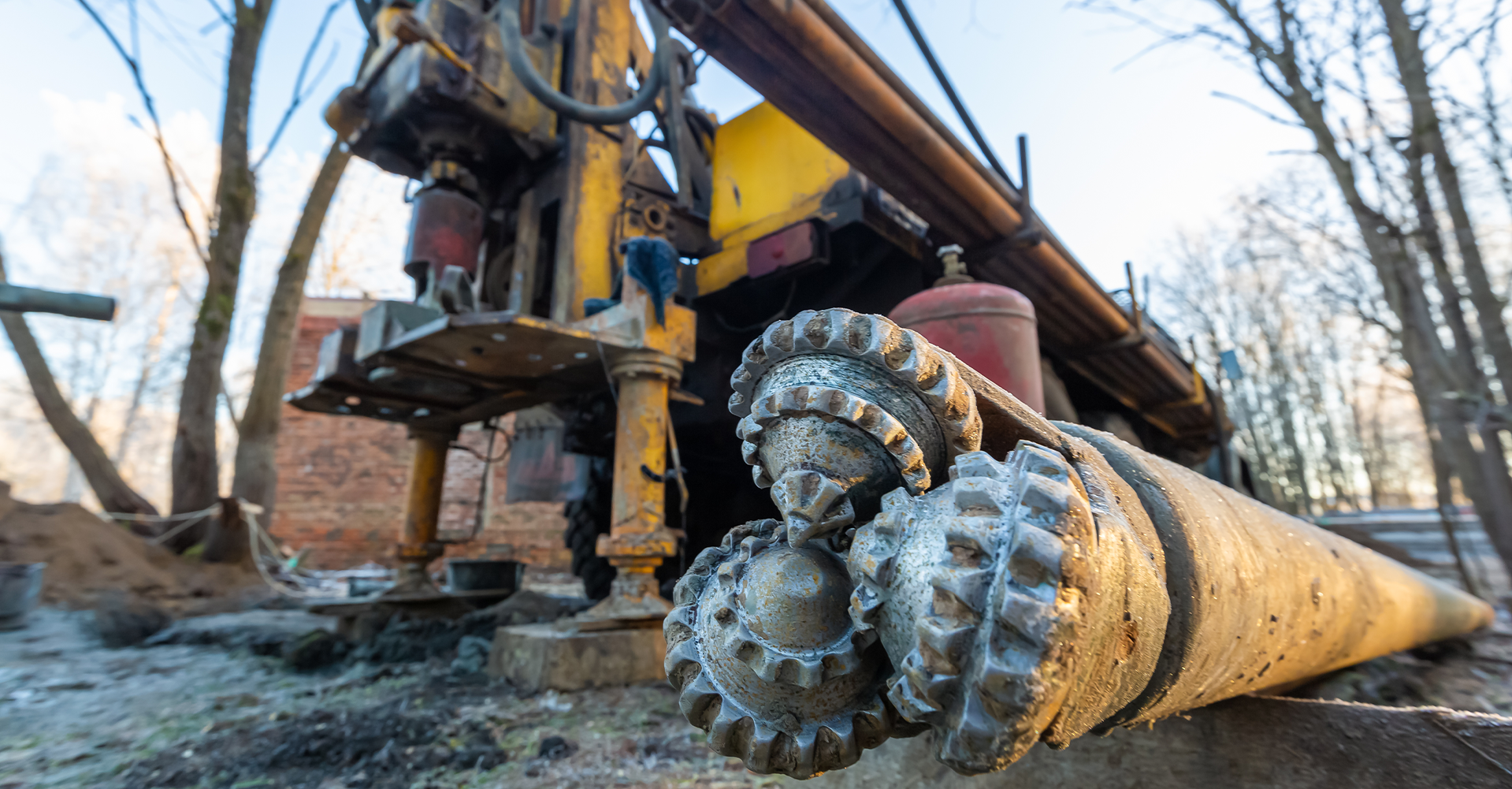
Deep wells are a more advanced solution that makes it possible to obtain water from deeper aquifers. Water from such wells passes through many natural filters, making it cleaner and less susceptible to surface contamination, such as chemicals used in agriculture. Consequently, a deep well is an investment in high-quality water.
The cost of drilling a deep well ranges from PLN 100 to PLN 400 per meter, depending on the geological conditions. This is less expensive than excavating a dug well, which may make investing in a deep well more cost-effective over the long term.
Searching for aquifers
When constructing a well, it is crucial to determine the location of the aquifer. Traditional methods, such as dowsing, although popular in some circles, have no scientific basis. Professional installers use modern geophysical methods, such as electrical resistivity sounding and electrical resistivity tomography. Both methods make it possible to accurately determine the location of aquifers, minimizing the risk of investment failure. When planning an investment, it is also worth consulting geological maps of Poland. The data collected and compiled by the Polish Geological Institute is reliable and verified.
Using reliable deep-well pumps
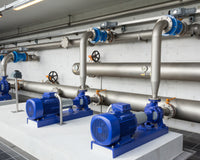
Regardless of whether we choose a dug well or a deep well, selecting the right pump is crucial. In the case of deep wells, where the water table is more than 8 meters below the surface, the use of deep-well pumps is recommended. These pumps can operate under demanding conditions, providing constant access to clean water, even from depths of several dozen meters.
Deep-well pumps differ in their capacity, making it possible to adapt them to the specific needs of a given household or farm. The most popular models provide a flow rate of 30 to 100 liters per minute, which is sufficient for both single-family homes and larger farms.