Domestic hot water (DHW) circulation is a key element in systems designed to provide users with constant access to hot water without waiting. In homes where the distances between the hot water tank and draw-off points are considerable, proper circulation eliminates wasted time and water, ensuring that hot water is available immediately after opening the tap. DHW circulation also provides additional financial and environmental benefits by reducing the amount of water wasted while waiting for cold water to run off, thereby lowering water bills.
How does DHW circulation work?
The principle behind DHW circulation is the constant flow of water between the tank and the draw-off points, preventing the water in the pipes from cooling down. Under normal conditions, unused water remains in the pipes, where it cools. The circulation system returns cold water to the tank, while hot water is available without delay, regardless of the distance. In modern installations, the circulation system is often equipped with additional components, such as automatic check valves, which further regulate the water flow and increase the system’s efficiency.
The role of circulation pumps in a DHW system
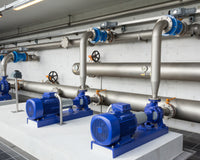
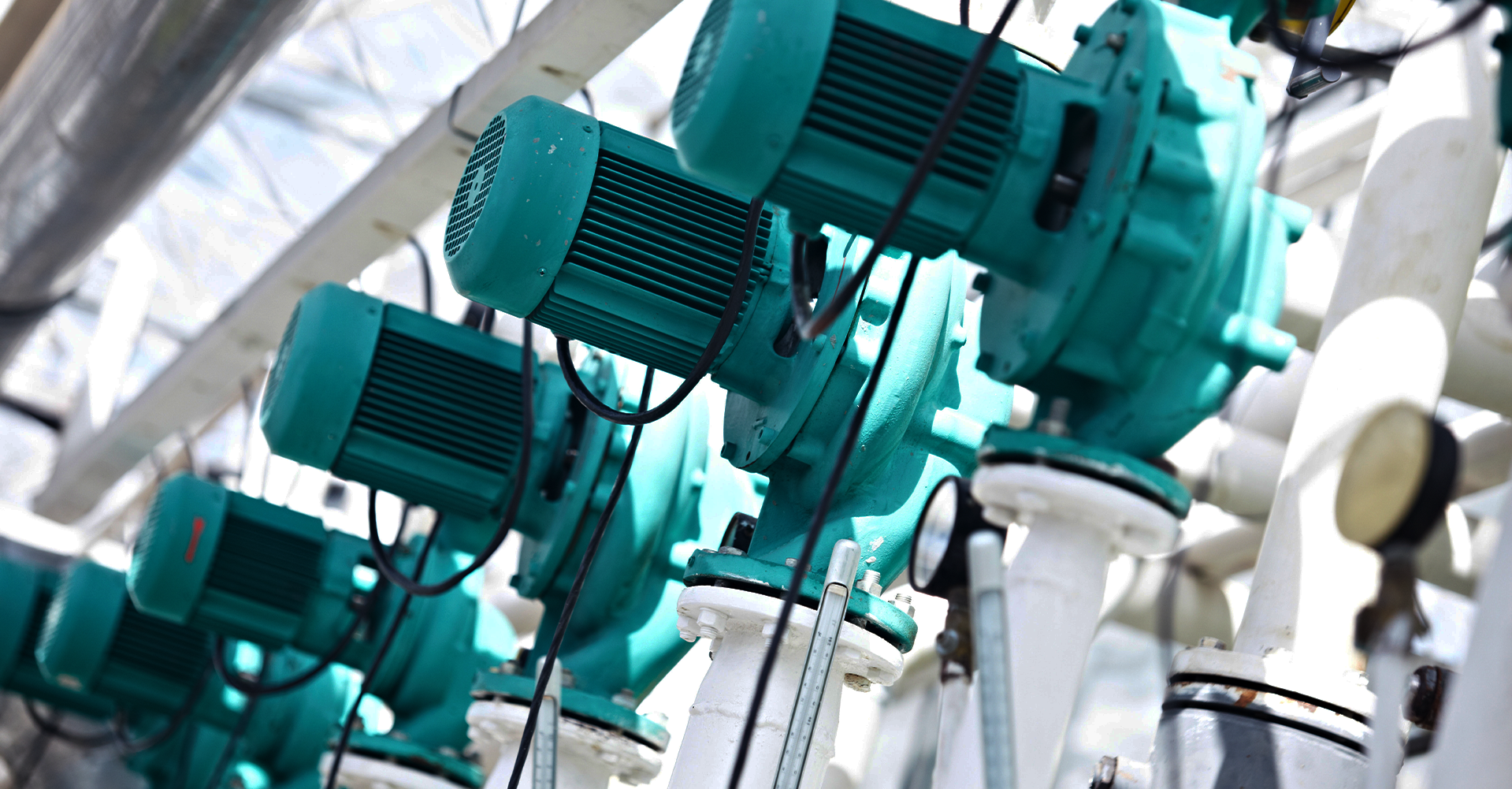
A circulation pump is necessary to ensure proper circulation in a DHW system. The pump forces water to flow through the system, ensuring that it continuously returns to the tank. Installing the circulation pump on the return line before the tank helps maintain the circulation flow. As a result, users can enjoy hot water immediately after opening the tap, which is particularly important in larger buildings or homes with extensive water systems.
Circulation pumps are available in various versions, depending on the system’s requirements. In domestic systems, pumps with a flow rate of 15 to 25 liters per minute are most commonly used, which is sufficient to ensure adequate flow in typical installations. These pumps are characterized by quiet operation and high energy efficiency, enabling long-term, trouble-free system use.
Choosing the right circulation pump
Modern circulation pumps are efficient, durable, and compact, which translates into many years of virtually trouble-free operation and simple installation. If you want hot water to flow from the tap on demand, choose devices made from high-quality materials that have PZH hygiene certificates, operate quietly, and whose operating parameters match the actual requirements of the system.
The choice of the right circulation pump should be based on several key parameters. Pay attention to the pump’s performance, the material it is made of, and its energy efficiency. For example, IBO 15-14 glandless pumps with brass bodies are an ideal choice for long-term operation in DHW systems. Models such as E-IBO 15-14 provide low energy consumption while offering sufficient performance for smaller heating systems.
Circulation pumps with modern electronic controls enable precise management of the water flow in the system. These pumps can be programmed to operate only at specific times of day, for example in the morning and evening, when demand for hot water is highest. This reduces energy consumption, resulting in lower electricity bills.
Efficient circulation management
To make hot water circulation not only comfortable but also economical, it is worth using automation. Pump controllers and thermostats can automatically manage pump operation, adjusting it to users’ needs. This means that the pump operates only when necessary—for example, in the morning, when all household members use hot water. Motion sensors can also switch the pump on automatically when a user enters the bathroom or kitchen. This approach not only increases comfort but also reduces energy consumption.
In addition, insulating domestic hot water pipes is a key measure for preventing heat loss. Insulation minimizes water cooling during circulation, reducing the amount of energy required to heat the water in the tank. This makes the circulation system more efficient and lowers its operating costs. Automatic control can be provided by a dedicated pump controller, a thermostat, the heating appliance itself that supplies the water tank—especially when using renewable energy sources (a boiler, heat pump, or PV panels)—as well as a motion sensor in the bathroom or kitchen that activates the pump. Proper pipe insulation is also important for reducing operating costs, as it slows the cooling of water in the system.
Advantages of DHW circulation
DHW circulation offers many benefits. Above all, it saves water by eliminating the losses caused by the need to run off cold water before hot water arrives. It also saves users time by providing immediate access to hot water. A properly designed circulation system is also more energy-efficient, helping to reduce water and energy bills.
A properly selected and installed circulation system ensures user comfort and significantly reduces water consumption. Thanks to modern pumps and control systems, circulation installations are becoming increasingly popular both in new buildings and in modernized systems. DHW circulation is an investment that pays for itself in a short time, offering users not only comfort but also real savings.