Pumping water from your own water sources requires specialized equipment. Whether you have a year-round home or a summer house, water pumps and pressure tanks are ideal for the job. While using them during the warmer months poses no problems, in winter they must be protected against freezing. Read how to protect a pressure tank for the winter.
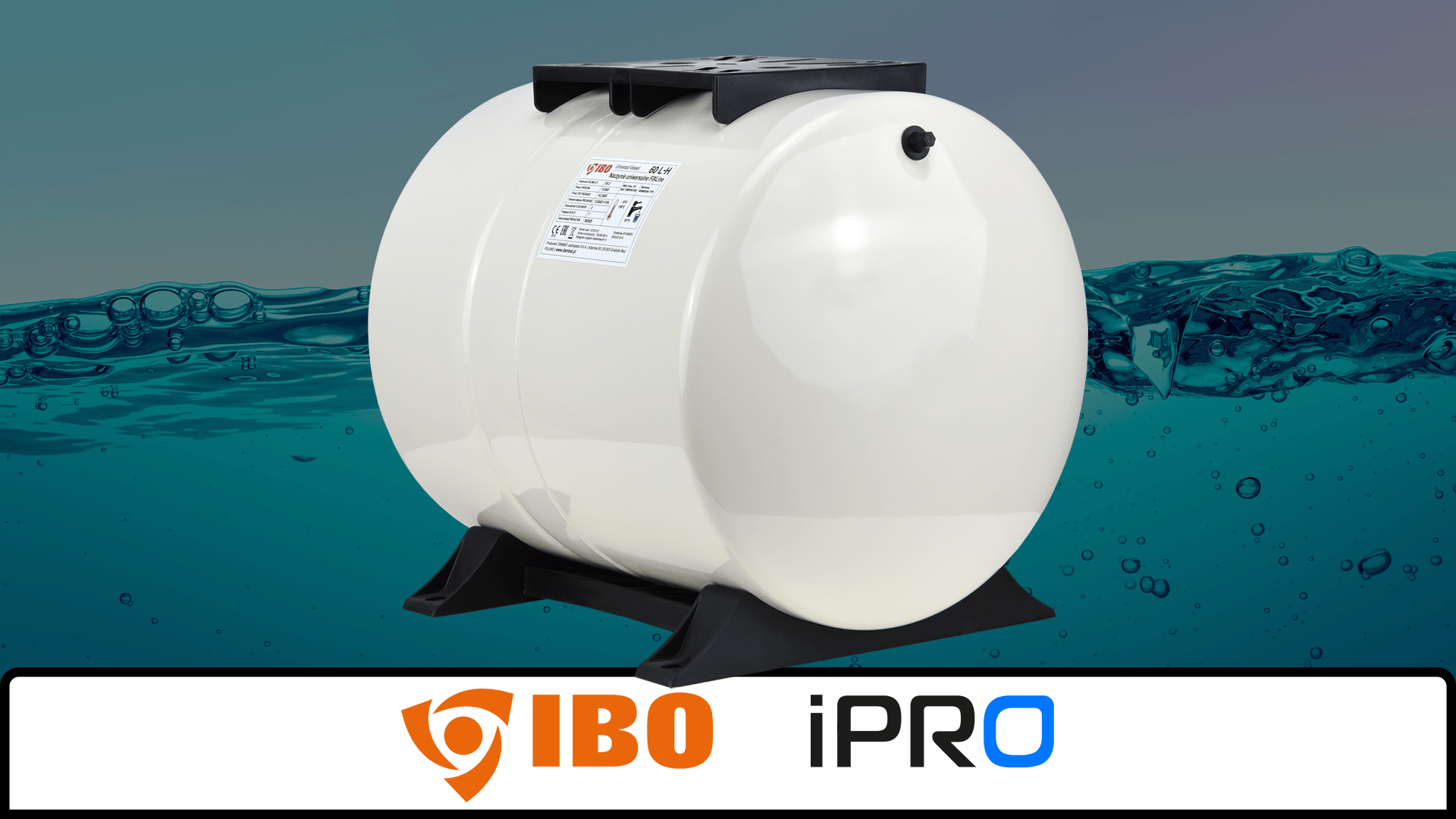
Pressure tanks, also known as pressure vessels, are devices designed to maintain constant pressure in a water supply system. They are particularly useful when drawing water from your own water source, as well as when insufficient pressure at the connection point to the water supply system prevents water from reaching all outlets. To enjoy reliable operation for many years, you need to protect them for the winter. The protection method depends on whether the pressure tank systems are used year-round or operate only during the season in summer houses.
If the pressure tank is to operate year-round, it is worth considering the colder months during installation. Placing it inside the building, for example in a basement where the temperature does not fall below zero, will eliminate the need for winter protection. Modern devices of this type are quiet enough that their operation will not be bothersome to the user in any way.
The situation is different if the pressure tank will not be used at all during the winter. In that case, it must be properly protected, because water left inside will expand when exposed to freezing temperatures, which may cause the device to burst. There are several recommendations for protecting a pressure tank for the winter. Some suggest that you should completely dismantle it and store it in a dry, warm place. To do this, disconnect the pump from the power supply, drain the water from the entire system, unscrew the hose connecting the pump to the pressure tank, and then pour the water out of the pressure tank. There is no need to worry if some water remains inside, as it will evaporate on its own. Another method is to drain the water from the system and insulate the device itself. A polystyrene box equipped with any heating device that switches on below a specified temperature will effectively protect the pressure tank and will be more convenient than completely dismantling it and moving it to a warm place.
Properly protecting the pressure tank for the winter will safeguard the device and ensure that it operates without failures for many years.