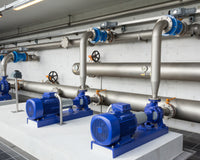
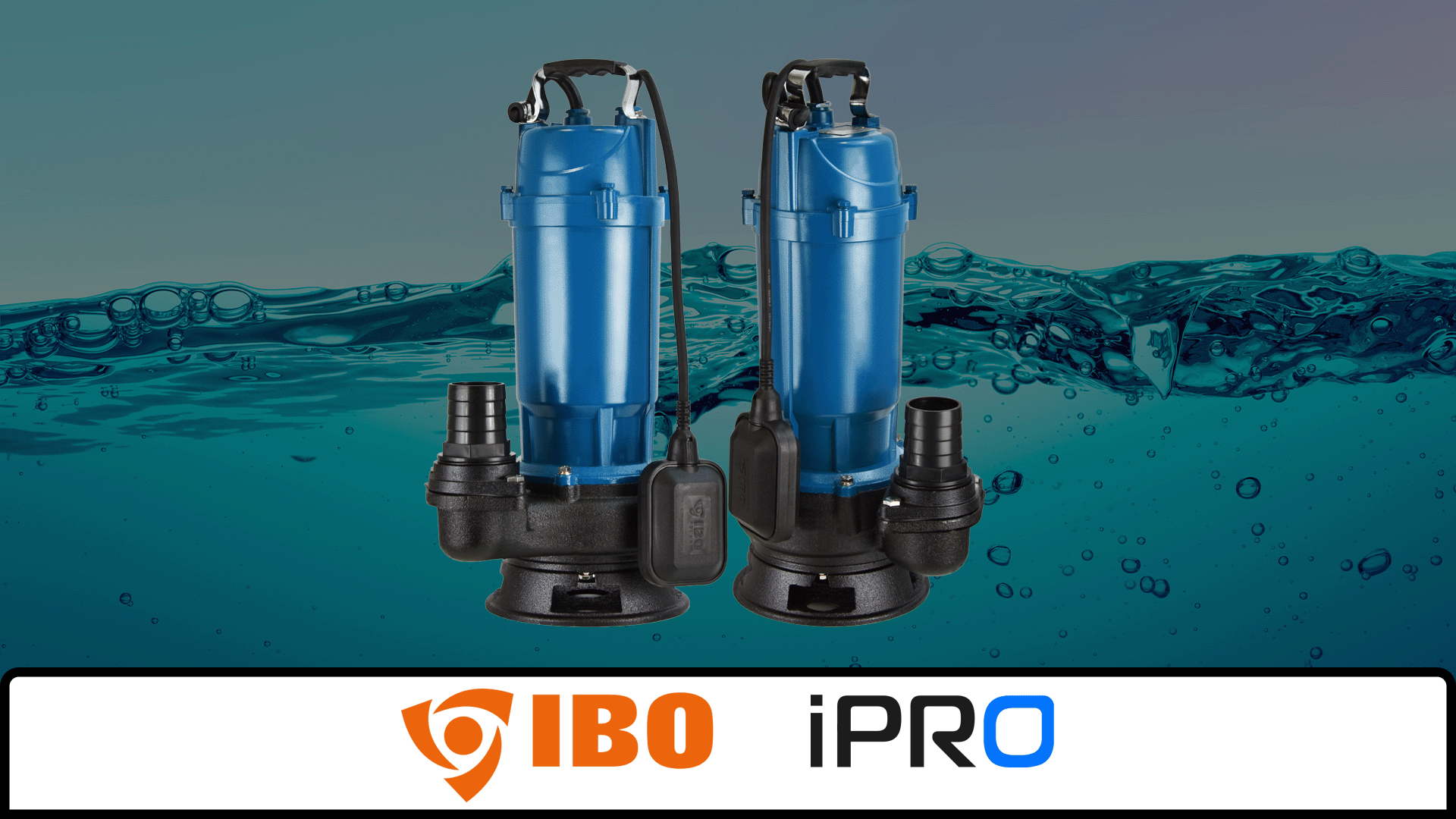
There are many situations that require the use of submersible pumps. They are used in households as well as in industry and agriculture. These efficient and relatively inexpensive devices are indispensable for many tasks involving water pumping. However, to perform their functions properly, they must be well suited to specific needs. We explain which parameters of submersible pumps are worth considering before purchase.
Submersible pumps, also known as immersion pumps, are devices designed to operate underwater. Depending on the type, they can be used for various purposes—from pumping water out of swimming pools or ponds, through draining ditches and basements, to emptying septic tanks. Unlike deep-well pumps, they generally do not produce very high pressure and are therefore unsuitable for supplying households with water. Nevertheless, they are extremely useful devices for specific applications. Their great variety means that before choosing one, it is worth considering the pump’s intended use, performance, and the materials from which it is made.
Pump’s intended use
The most important issue when choosing a pump is its intended use. Precisely defining the tasks for which the device will be used will make the choice much easier and help prevent failures caused by improper use.
Submersible pumps are divided into:
- clean-water pumps - as the name suggests, they are designed to work with clean water. They can be used to empty swimming pools and ponds or pump out rainwater. They are characterized by a low price and a more delicate construction,
- dirty-water pumps - designed to work with contaminated water. Depending on the type of contamination, they are divided into:
- septic-tank and slurry pumps - septic-tank pumps are products that facilitate the disposal of wastewater in single-family homes, farms, companies, and institutions. They enable efficient and trouble-free disposal of waste, including from municipal septic tanks. They are submerged deep inside the septic tank, where they pump both treated and untreated wastewater to the required height. They are designed to pump water with a significant degree of contamination and density. They also ensure the quick and effective drainage of wastewater from sinks, bathtubs, toilets, shower trays, and other plumbing fixtures equipped with a drain.
- grinder pumps - grinder pumps are highly effective devices for pumping heavily contaminated wastewater. They offer high efficiency even under difficult operating conditions and are resistant to wear. Thanks to the grinders installed inside, they break down various types of biological waste, making it much easier to pump it out.
- pumps for professional applications - these are devices designed to operate under demanding conditions and meet the expectations of users who need powerful and durable submersible pumps for professional work. They can be used to drain flooded rooms, drainage ditches, excavations, wells, or sewage wells—in other words, anywhere with sandy water.
Pump performance
Another very important issue is the pump’s performance, power, and ability to lift wastewater. The more demanding the application, the higher its performance should be. While clean-water pumps may have lower power, pumping out a septic tank or drainage ditch requires considerably better parameters. When choosing a septic-tank pump, you should consider the device’s size and weight, especially if it will be moved frequently. It is also worth focusing on ease of use and checking whether connecting the hose is convenient and easy.
Materials from which the pump is made
When buying a pump, it is worth choosing reputable manufacturers, as this guarantees high quality and reliability. Pay attention to the pump housing and the material from which the impeller is made. Inexpensive store-bought devices may be tempting because of their price, but they are more susceptible to damage and have a shorter service life. Although a clean-water pump may be made from a much more delicate material than one intended for professional applications, this does not mean that the material should be of low quality. In turn, the best option when choosing a dirty-water pump is a device made of cast iron and stainless steel, as these materials are acid-resistant, mechanically durable, and resistant to external factors. High-quality components from reputable and recognized industry manufacturers are an important factor to consider before purchase.
In summary, a submersible pump is an extremely useful device for numerous applications. Precisely defining your needs and matching the device’s parameters to them is a guarantee of satisfaction and efficient pump operation.