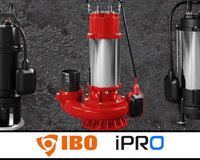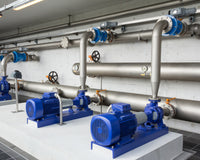
A water pump is a device widely used in homes, gardening, and construction. It makes it possible to pump water quickly and efficiently from various water sources, both clean and contaminated. We can distinguish between dirty water pumps, a dirty water pump, and pumps for dirty water, depending on our needs. These devices are essential for tasks such as drying flooded basements, draining construction excavations, and operating industrial systems. Choosing the right model is crucial to the performance, durability, and efficiency of the entire system.
Dirty and Clean Water Pumps
For tasks requiring more power and resistance to contaminants, a dirty water submersible pump or submersible pump is a good choice. These pumps can operate fully submerged and handle water containing sand, silt, or small solid particles. If you need to pump water from a swimming pool, retention tank, or irrigation system, a clean water pump is ideal. There are also specialized water removal pumps, including a water removal pump and a water pumping-out pump. These handle both clean and slightly contaminated water, making them a versatile choice for domestic and industrial applications. Before selecting the right model, it is worth assessing the volume of water to be pumped and the water pressure requirements.
Hydrophores and hydrophore pumps
Hydrophore and water hydrophore are devices that maintain constant water pressure in an installation and ensure water is available regardless of temporary demand. A set usually consists of a pump, a tank, and a control system, allowing it to be optimally tailored to the user's needs. A hydrophore pump combined with a hydrophore tank forms a complete hydrophore set that can work with the water supply network or a well. A popular solution is a diaphragm hydrophore and a diaphragm hydrophore tank, as well as a membrane hydrophore, which, thanks to their design, reduce how often the pump switches on, extending its service life. Choosing the right hydrophore depends on the type of water installation, the parameters of the water source, and the expected water pressure at the points of use.
Types and applications of hydrophores
- Galvanized hydrophore tank – durable and corrosion-resistant.
- Diaphragm hydrophore tank – separates water from air with a membrane.
- Domestic hydrophores – designed for detached houses.
Hydrophore applications include supplying water to installations from a well, the water supply network, or a deep well. For W larger-capacity hydrophores, more advanced types of hydrophore tanks are used.
Hydrophore selection and installation
When choosing equipment, consider the right pressure tank, pressure tank capacity, and the right tank capacity. Choosing pressure tanks and choosing booster sets depends on parameters such as water pressure and the amount of water needed on the property. Installing a booster set and setting up a booster system requires knowing how to connect a pressure tank and how to connect a booster system. A diagram showing how to connect a pressure tank to a submersible pump or a diagram showing how to connect a pressure tank to a submersible pump is often used.
Pressure tanks and their capacity
A pressure tank or diaphragm tank is essential for the proper operation of a booster pump. Parameters such as diaphragm tank capacity and tank pressure rating affect proper water pressure. A pressure tank stores water and stabilizes the water level in the system.
Types of tanks
- Galvanized pressure tank – resistant to damage and suitable for locations where the water may have a higher mineral content. It is durable, easy to maintain, and helps maintain stable pressure for many years.
- Galvanized pressure tank – a classic solution that works well with both submersible pumps and surface pumps. Its resistance to mechanical damage and corrosion makes it a popular choice for homes and farms.
- Pressure tank for a booster system – for large installations where water pressure must be maintained at a constant level, even with high water consumption. This solution is often used in industrial facilities and farms with extensive water systems.
Submersible pumps and wells
Submersible pumps are used to draw water from a deep well, where the water table is located at a considerable depth. A pressure tank system for a deep well or a pressure tank system for well water is used in the installation to ensure adequate water pressure throughout the building. A deep well diagram and a diagram showing how to connect a pressure tank to a submersible pump help ensure correct installation. It is also important to correctly connect the submersible pump, select the right pressure tank and consider potential water sources when planning the system.
Additional components of a water installation
In modern systems, a self-priming pump, garden pump, pressure switch, and pressure switch for a pressure tank are used to automate and protect the operation of the entire system. To improve water quality, a water filter or water filters are essential to protect equipment and pipes from sediment. W gardens, an automatic irrigation system and irrigation equipment work well; they can be supplied from various water sources, such as a well, a retention tank, or the water supply network. It is also important to monitor parameters such as the water level, water consumption, and the amount of water available in the tank to avoid interruptions in supply.
The benefits of a pressure tank system
The benefits of a pressure tank system include ease of use, maintaining constant water pressure, and energy savings. Models such as the 100 L pressure tank are ideal for single-family homes and small farms. In addition, pressure tank water pumps ensure a stable water supply even when demand is high, and integrating them properly with the water system allows the entire system to operate smoothly. When choosing the right model, consider the available water sources – whether the water supply network, a deep well, or a retention tank – to make the most of the system.
Pressure tank water pumps and water sources for the system
Pressure tank water pumps are modern solutions that ensure efficient and economical water pumping in a variety of conditions. They are used in both homes and industrial facilities where stable pressure must be maintained. A properly designed water system allows resources to be used efficiently, and a key part of it is matching the equipment to specific water sources – these may include deep wells, retention tanks, or connections to the water supply network.
Frequently asked questions (FAQ)
How do you choose the right water pump?
Choosing a water pump depends on the type and cleanliness of the liquid, the required output, and the pumping head. For clean water, a clean water pump is the best choice, while for contaminated water, a dirty water pump or a submersible dirty water pump is more suitable. Before buying, it’s worth determining the amount of water to be pumped and the required water pressure.
What is the difference between a diaphragm pressure tank and a galvanized one?
A diaphragm pressure tank has a rubber membrane that separates the water from the air, reducing corrosion and the need to replenish the air. A galvanized pressure tank has no membrane and is simpler in design, but requires periodic maintenance. The choice depends on the application of the pressure tank, the desired service life, and operating conditions.
What is a pressure tank system used for?
A pressure tank system consists of a pump, a pressure tank, and a pressure switch. It maintains constant water pressure in the system and stores a reserve for periods of increased demand. It is used in single-family homes, farms, and automatic irrigation systems.
What are the advantages of submersible borehole pumps?
Submersible borehole pumps draw water from a deep well, where the water table can be dozens of meters underground. They offer high output and quiet operation, and can supply pressure tanks, providing water to residential, agricultural, and industrial buildings.
What accessories are worth using in a water system?
For the system to work properly, it’s worth using a pressure switch or a pressure switch for a pressure tank, water filters to improve water quality, as well as garden pumps and self-priming pumps for watering or automatic irrigation systems. Choosing the right accessories extends the equipment’s service life and makes it more comfortable to use.
Where can you buy IBO equipment and pumps?
You can buy IBO products on the B2B platform. If you’re an end customer, we encourage you to check out our partner stores and wholesalers. You can also always contact us: +48 22 721 11 92, biuro@dambat.pl.