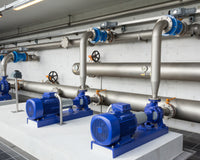
Septic tank pump is an essential device in households, industrial facilities, and municipal facilities, enabling the effective removal of liquid waste. A properly selected wastewater pump is responsible for pumping out septic tanks, transferring domestic and process wastewater, and emptying septic tanks safely and hygienically. Depending on their design and intended use, professional septic tank pumps are available with various power ratings, capacities, and functions.
Types of septic tank pumps – matching the operating conditions
Various types of devices are available on the market, and the choice depends on the type of wastewater, tank depth, and installation method. The most commonly used are:
- Submersible septic tank pumps – installed directly in the tank, they start automatically when the liquid reaches a specified level. A popular solution is a submersible septic tank pump, which effectively pumps wastewater from considerable depths.
- Suction septic tank pump – installed outside the tank, it uses negative pressure to draw in liquid. It is often used as a suction and discharge septic tank pump and is suitable for large distances between the tank and the receiving point.
- Surface septic tank pump – lightweight and easy to operate, it is ideal for temporary installations. It can work with discharge hoses and filters.
- Floating septic tank pump – intended for tanks with varying depths and changing liquid levels.
In addition, the automatic septic tank pump is becoming increasingly popular. It is equipped with liquid-level sensors, dry-run protection systems, and remote-control functions. Submersible septic tank pumps are chosen where reliability and the ability to operate in difficult conditions are important.
Septic tank pump design and operating principle
The design of a septic tank pump depends on its purpose and operating technology. A typical wastewater pump consists of a corrosion-resistant housing, impeller, sealing system, and power cable. Models such as the centrifugal septic tank pump use large-diameter impellers that can handle solid particles and sediment. Wastewater pumps often have an additional macerator system, allowing fecal matter and solid elements to be transferred without the risk of clogging the installation.
The design of a septic tank pump with a macerator includes special cutting blades that break up larger particles, enabling smooth flow through the discharge pipes. This solution is used in devices referred to as a septic tank pump with a macerator or septic tank pumps with a macerator and hose. As a result, even a fecal matter pump maintains high efficiency with minimal risk of failure.
Septic tank pumps and their use in households and industry
Wastewater pumps are used both in household sewage systems and in industrial installations, treatment plants, and pumping stations. Septic tank pumping pumps are used to empty tanks, transfer liquid from one level to another, and drain rainwater from flooded rooms.
In households, compact devices such as a small septic tank pump or septic tank pump are popular and work well with small tanks. Farms and industrial facilities often use a high-capacity septic tank pump capable of transferring large volumes of wastewater in a short time. In demanding operating conditions, heavy-duty septic tank pumps with reinforced construction and increased resistance to mechanical damage perform particularly well.
Polish septic tank pumps – durability and build quality
Polish septic tank pumps are gaining increasing recognition on the market thanks to their high build quality and adaptation to the specific requirements of local installations. A Polish-made septic tank pump guarantees durability, access to spare parts, and easy servicing. A Polish septic tank pump is characterized by a solid construction and resistance to the aggressive wastewater environment. Used septic tank pumps are also available and may be a good solution for smaller budgets.
For the most demanding users, professional septic tank pumps are available with automatic start functions, thermal protection, and remote operation monitoring. High septic tank pump capacity and low energy consumption are features that distinguish premium models from the competition.
When purchasing, installation costs, the length of the discharge pipes, and power requirements should be taken into account. A pump for emptying a septic tank and a pump for pumping out a septic tank with a higher power rating may require an additional power supply or reinforced pipes.
Dambat as the manufacturer of IBO and IPRO pumps
As a manufacturer, we offer professional pumps under the IPRO brand. They are specially adapted to the most demanding industrial requirements. They are intended for applications where pumps must operate for many years without failure, where an extended warranty matters, and where spare parts and local servicing must be readily available. The IPRO brand was created specifically to support the most demanding solutions involving professional pumps designed to operate in an acidic and highly corrosive greywater environment. That is why pumps intended for such applications are very often made of stainless steel or cast iron with increased resistance to harsh environments.
Practical tips – how to pump water out of a septic tank
Emptying the tank requires appropriate preparation. Before starting work, make sure that the submersible wastewater pump is correctly installed and vented. The pump for emptying a septic tank should be started when the liquid level allows free flow through the impeller. For deep tanks, a deep-well septic tank pump is the best choice, as it operates stably even at considerable depths.
If the tank contains solid contaminants, a septic tank pump with a macerator will prevent the pipes from clogging. To increase operating efficiency, it is worth using additional accessories, such as a septic tank pump with a hose or a flow-through septic tank pump, which facilitate the transport of liquid over longer distances.
Summary – how to choose the right septic tank pump
The choice of the right device depends on the tank depth, type of wastewater, and required capacity. An efficient septic tank pump should be corrosion-resistant, equipped with dry-run protection, and suited to the installation parameters. A small septic tank pump is sufficient for household conditions, while industrial systems require a high-capacity septic tank pump. When choosing septic tank pumps, it is worth considering user reviews, build quality, service availability, and access to spare parts.
Professional pumps are exposed to high levels of wear due to the pumped medium and the operating conditions in which ordinary pumps do not perform adequately. That is why the availability of wear parts is so important, as they naturally deteriorate over time. In such cases, a quick visit to an authorized service center or a repair by a qualified technician is enough for the pump to return to operation.
Septic tank pumps are a key element of sewage infrastructure, enabling the safe and hygienic management of waste. A septic tank pumping pump and a septic tank extraction pump make tank operation easier, while their modern versions provide maintenance-free and economical operation for many years.
Frequently asked questions (FAQ)
How does a septic tank pump work?
A septic tank pump works by drawing and discharging wastewater from a closed tank to the sewage system or disposal site. A submersible septic tank pump is installed inside the tank and starts automatically when the liquid reaches a specified level. Thanks to its impeller or suction and discharge system, a septic tank pumping pump effectively removes waste and contaminated water, preventing the tank from overflowing.
What types of septic tank pumps are there?
There are several main types of devices: submersible septic tank pumps, surface pumps, suction septic tank pumps, and floating pumps. Septic tank pumps with a macerator are also popular, as they can handle larger solid particles. The choice depends on the tank depth, type of waste, and operating requirements. A small septic tank pump works well in household installations, while industry requires a high-capacity septic tank pump.
How does a septic tank pump with a macerator differ?
A septic tank pump with a macerator is equipped with cutting blades that break up solids before they are discharged. As a result, the wastewater pump does not clog, and the entire septic tank emptying process proceeds more quickly and efficiently. These devices are suitable for locations where fecal matter or organic waste enters the tank. An additional advantage is the ability to operate with longer discharge pipes.
How do you pump water out of a septic tank?
To pump water out of a septic tank, use a suitable pump adapted to the depth and type of liquid. A submersible wastewater pump is suitable for most standard installations, while a deep-well septic tank pump is a better choice for considerable depths. Before starting, make sure the pump has been correctly installed and vented. If solid contaminants are present, it is best to use a septic tank pump with a macerator.
What is the price of a septic tank pump?
The septic tank pump price depends on the power rating, capacity, additional functions, and manufacturer. Basic wastewater pump prices start at several hundred zlotys, while professional septic tank pumps with a macerator and automation can cost several thousand. Used septic tank pumps are also available on the market and offer a lower purchase cost, although their service life may be shorter. When choosing, it is worth considering not only the price but also user reviews and build quality.
Are Polish septic tank pumps good quality?
Yes, Polish septic tank pumps and Polish-made septic tank pumps enjoy a good reputation thanks to their solid construction, durable materials, and adaptation to local operating conditions. A Polish septic tank pump often offers parameters comparable to foreign models, at a lower price and with easier access to spare parts. High septic tank pump capacity and reliability are features that make domestic products popular with both individual users and municipal companies.
Which parameters are most important when choosing a septic tank pump?
When purchasing, pay attention to the septic tank pump capacity, maximum pumping height, diameter of solid particles that can pass through, and construction material. Corrosion resistance and the ability to operate in an aggressive environment are also important. A septic tank pump with a hose and models with an automatic liquid-level sensor increase ease of use. For large volumes of wastewater, a high-capacity septic tank pump is the best choice.
Can a septic tank pump also pump water?
Yes, many models can also be used as a septic tank water pump or a high-capacity dirty water pump. Such devices remove not only wastewater but also rainwater and floodwater. For this purpose, water pumps for septic tanks or flow-through septic tank pumps are most commonly used, providing rapid transport of liquid from flooded areas or places filled with rainwater.
Does a septic tank pump require maintenance?
Yes, regular maintenance is essential for a septic tank pump to operate reliably for many years. The condition of the impeller, seals, and macerator components should be checked periodically. In the case of a suction and discharge septic tank pump, it is worth checking that the pipes are unobstructed and inspecting the condition of the check valves. Cleaning away sediment and inspecting the power cables significantly extends the device’s service life.
Is it worth buying an automatic septic tank pump?
An automatic septic tank pump significantly increases user convenience. Thanks to liquid-level sensors, the device starts automatically when the tank fills. Automatic models often also have dry-run and motor overload protection. Although their price is higher, they offer maintenance-free and more efficient operation than traditional septic tank pumps.
Where can IPRO devices be purchased?
You can purchase our IPRO products on the B2B platform. If you are an end customer, we encourage you to visit our partner stores and wholesalers. You can also contact us at any time: +48 22 721 11 92, biuro@dambat.pl.