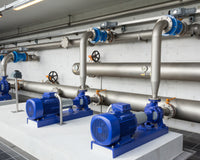
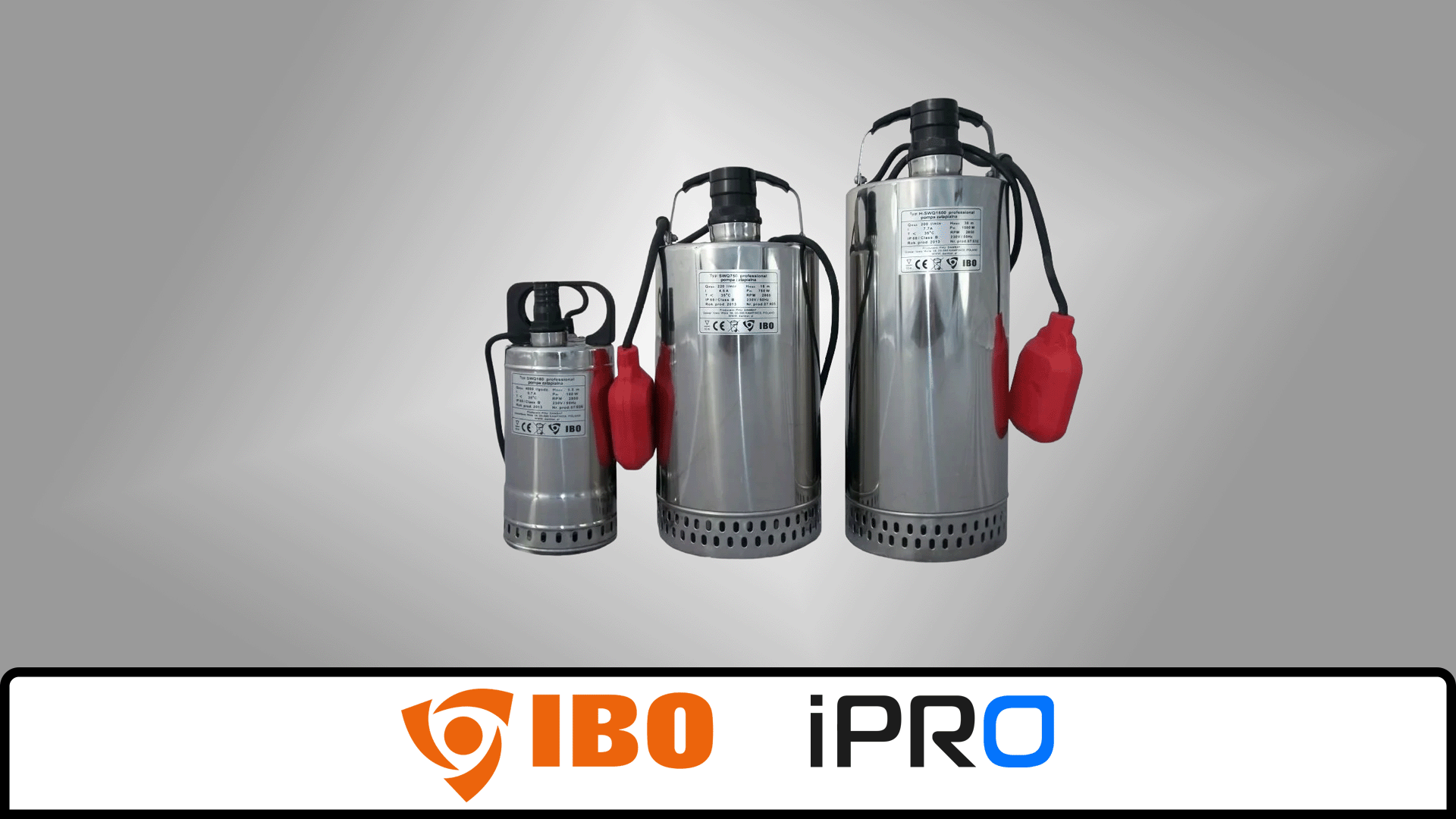
When choosing a submersible pump, it is worth considering its future application and the conditions in which it will operate. This determines the pump’s design, which affects the amount of energy it consumes and its efficiency. Regardless of the choice we make, the pump should above all be safe. Submersible pumps have a very wide range of applications, which determines the power of their motors. They are designed to pump specific types of liquids. They are used for pumping clean or dirty water, including domestic or industrial wastewater, rainwater, and water from drainage wells. They are also suitable for draining excavations, flooded areas, or flooded basements.
Submersible pump — what makes it safe?
A safe submersible pump is above all a pump suited to the conditions in which it will operate. This gives us confidence that its motor will not overheat. It is worth checking whether the pump we purchase has additional protection in the form of an extra layer around the motor housing. Models equipped with an independent cooling system, which effectively separates the motor from the pumped liquid, are currently very popular. This is a safe solution that protects the system from unnecessary overheating, which can also be caused by the operation of other pump components, such as the impeller. Other elements worth paying attention to include the efficiency of flushing valves used in larger installations. They protect installations against corrosion and the formation of gases or deposits that could impair the pump’s operation and adversely affect its performance.
Periodic inspections — a safety requirement
Operating a submersible pump can lead to a decrease in its efficiency. Accumulated deposits or grease can affect the pump’s performance and user safety. Blocked valves in pumps designed to handle wastewater can cause gases harmful to human health to accumulate. It is therefore worth remembering to have the entire installation undergo periodic inspections regularly.