
It is hard to imagine modern heating or cooling systems operating without circulation pumps. They improve the efficiency of the entire system and also enhance user comfort. To perform their functions properly, however, they should be matched to individual requirements. Here are the principles for choosing circulation pumps to meet users’ needs.
What is a circulation pump used for?
W older systems, room heating relied on the natural buoyancy resulting from the difference in density between hot and cold water. However, this operation had numerous limitations, related, among other things, to the system’s specific design. Modern heating technology has solved these problems by introducing circulation pumps.
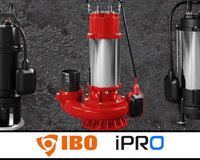
A circulation pump is a device used to circulate liquid in systems. It is used in central heating systems and other heating systems, as well as in air conditioning. This helps maintain the efficiency and performance of the entire system. Using a circulation pump makes it possible to plan the entire system more effectively, since it allows you to use pipes with a smaller diameter and route them more freely. Shortening the pipes that make up the system and reducing their diameter results in lower thermal inertia. This directly leads to faster circulation of the heating or cooling medium, making the entire system much more efficient.
What should you consider when choosing a pump?
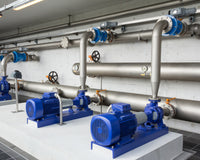
The circulation pump should be matched to the type of system, and the final decision should depend on both the size of the system and its complexity. Depending on your needs, you can use one or two devices to increase the efficiency of the heating system. W detached homes with a typical system, one well-chosen circulation pump will be sufficient. In a building that has other heat sources in addition to radiators, however, it is advisable to use two pumps. This solution should be entirely adequate for standard buildings. It is worth bearing in mind, however, that special systems are also available for strategic facilities where unplanned heat supply interruptions may occur. In such cases, the system should include a primary pump and a backup pump.
In short, a circulation pump is a device that modern, energy-efficient systems cannot do without. When selected to meet users’ needs, it will certainly contribute not only to heating comfort but also to savings in the household budget.