How can you protect a pump from excessive pressure? The role of a pressure regulator in the system
When selecting a pump, greater importance is usually placed on flow rate and head than on what happens at the system inlet. Yet an excessively high inlet pressure can damage a pump just as effectively as a lack of pressure. A pressure regulator, also called a controller, is a small but crucial component of a water system that ensures stable operating conditions throughout the household plumbing system – from the main water connection to the final draw-off point.
What is a water pressure regulator and how exactly does it work?
A pressure regulator whose purpose is to maintain the set pressure downstream of the device, regardless of the pressure coming from the water supply network. The spring inside the body counteracts the force of the water: when the inlet pressure rises, the piston restricts the flow, and when it falls, it opens it wider. In practice, the device reduces the pressure to the set level and maintains it consistently, so the household plumbing system no longer reacts to fluctuations in the external network. This mechanism is what distinguishes a pressure regulator from an ordinary shut-off valve – the outlet pressure remains constant and predictable, regardless of what happens upstream. The regulator can be used both in systems supplied by the municipal water network, where inlet pressure can be high, and in pressure booster systems supplied from a private well.
Red flags in the plumbing system – how to detect excessive pressure early?
Fluctuations in the water supply pressure are one of the most common causes of premature wear of plumbing fixtures – especially at night, when water consumption drops significantly and the inlet pressure can rise sharply. Before a failure occurs, a household plumbing system usually sends clear warning signals:
- brief bursts and splashing of water from the aerator immediately after turning on the tap,
- humming, whistling, or hissing from faucets when only a small amount of water is being drawn,
- continuous dripping of water from the safety valve, for example at a water heater,
- loud banging in the walls when valves are closed quickly.
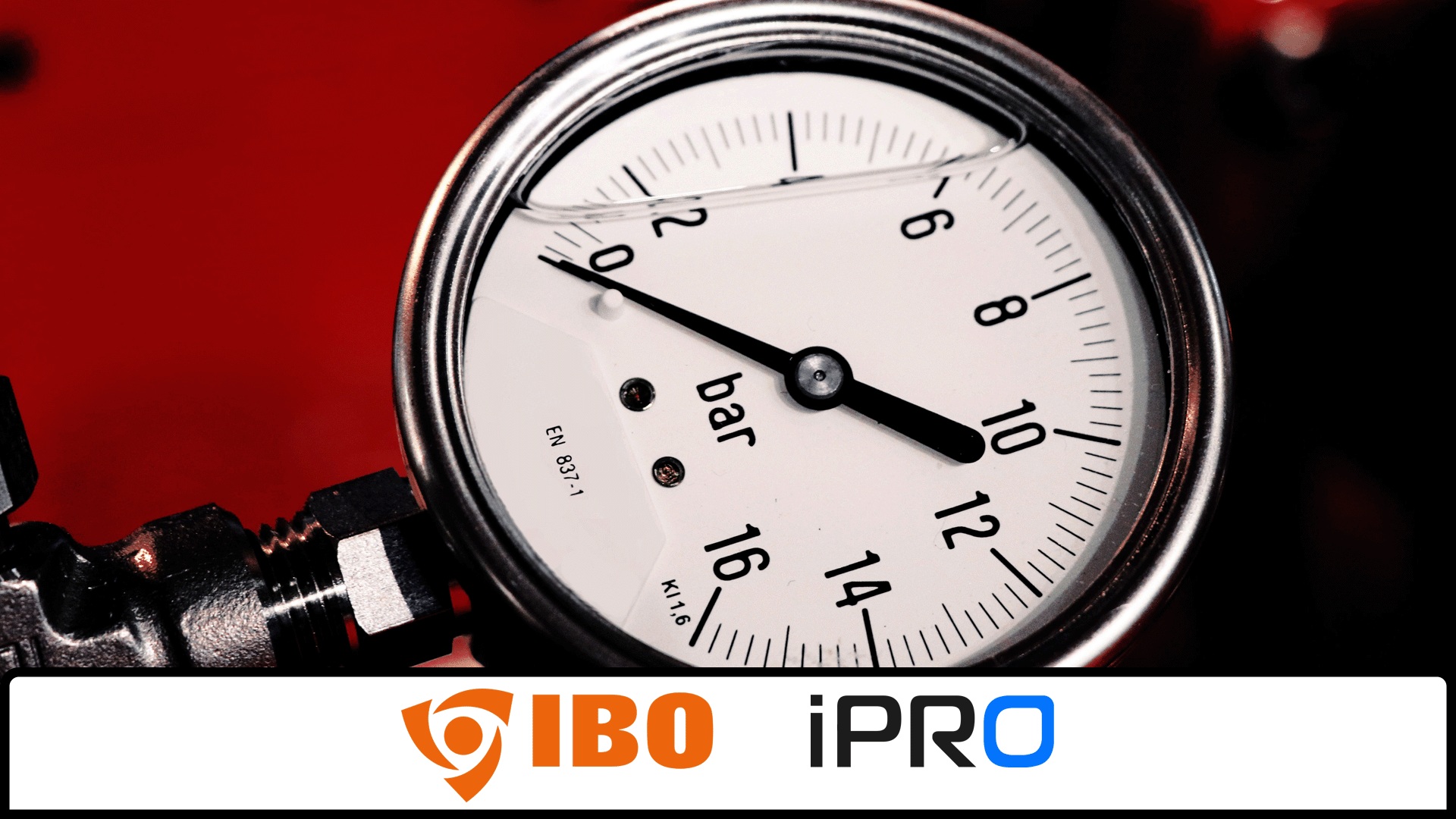
For routine monitoring, a pressure gauge installed next to the regulator is sufficient – regular checks take just a moment and help prevent a more serious fault before a persistently excessive value has time to damage the plumbing system. You can find this pressure gauge and other accessories in our category of accessories for surface and pressure booster pumps.
Why does excessive pressure damage your pump?
Constantly high inlet pressure places strain on the pump’s mechanical seals—shaft seals begin to leak, allowing water to enter the motor chamber. Operating outside the optimal pressure range overloads the windings. The diaphragm pressure tank may also suffer—exceeding the permissible value stretches its diaphragm, causing the pressure system to lose its reserve of usable water and the pump to start more frequently.
How to choose the right pressure reducer? Key criteria
Selecting a regulator for a specific installation is not solely about matching the thread. Where inlet conditions are unstable throughout the day and peak hours bring noticeable surges, a pressure reducer is essential rather than optional. When choosing one, it is worth checking:
- the diameter of the main water connection, matched to the cross-section of the supply pipe—typically 1/2", 3/4", or 1",
- maximum inlet pressure, meaning the pressure reducer body’s resistance,
- nominal flow rate suited to the building’s water consumption and typical water usage,
- the presence of a pressure gauge connection and a built-in mesh filter.
The permissible inlet value may vary depending on the pump model, so it is worth verifying it in the device’s technical data sheet. A properly selected pressure reducer maintains the set pressure automatically, regardless of the power source. If you have any doubts, we encourage you to contact our technical department, where our specialists will help you choose the right model for your installation.
Adjusting and maintaining the pressure reducer in a pumping system
Proper installation of the pressure reducer is only the beginning—its adjustment and maintenance are equally important. It is worth synchronizing its setting with the pump’s pressure switch: make adjustments using the adjustment screw when there is no flow, while monitoring the pressure gauge. Cleaning the built-in filter is just as important—a clogged filter restricts the system’s operation and, in extreme cases, may cause the pump to run dry despite water being present in the tank.
Summary
A reducer is a small investment that acts as an insurance policy for the pump and the entire installation. A properly selected unit maintains stable pressure regardless of the time of day, reducing the risk of failure, while pressure that is too low at the outlet—just as troublesome as excess pressure—ceases to be a problem. The system also operates more quietly, and all water-using appliances last longer, regardless of whether the water comes from the municipal network or a private source.
FAQ: Frequently asked questions about system pressure
What early signs of excessive pressure should you watch for to avoid a failure?
Warning signs include hissing from faucets, water splashing from the aerator, and dripping from the safety valve at the water heater. When these symptoms occur, it is worth checking the pressure with a pressure gauge before a more serious fault develops.
How does excessive pressure threaten the proper operation of the water pump itself?
Excessively high inlet pressure damages mechanical seals (gland seals), causing leaks into the motor chamber, and forces the pump to operate outside its optimum point on the performance curve—this risks overloading the windings and shortening the device's service life.
Can excessively high pressure damage the diaphragm expansion vessel and the central heating system?
Yes. Excessively high pressure in the system can gradually stretch or rupture the diaphragm in the expansion vessel. The tank then loses its water reserve more quickly, and the pump or boiler switches on more often than it should—a properly selected reducer limits this risk.
What causes knocking in the pipes after starting the pump, and how does the reducer prevent it?
This is usually the result of water hammer—a sudden stoppage of the water column. The reducer acts as a shock absorber: it absorbs the flow's kinetic energy and smooths pressure surges in the network.
Why is the circulation pump so noisy, and will installing a reducer solve the problem?
This is most often caused by cavitation and vibrations resulting from unstable inlet pressure. The reducer stabilizes the pump's operation and usually makes it quieter, although noise can also be caused by air in the installation.
How are pipe diameter and flow velocity related to water pressure?
A smaller pipe diameter increases the water velocity and generates greater hydraulic resistance, which reduces the pressure available at downstream draw-off points. The reducer helps equalize this parameter throughout the installation.
Where exactly should the pressure reducer be installed—before or after the pump?
When supplied from the municipal water network, install the pressure reducer before the pump, on the main water connection. With a private water source, such as a well, install it after the pressure tank to protect the household plumbing from the power of the submersible pump.