Submersible, or immersion, pumps are one of two types of drainage pumps. These devices are widely used to remove sewage, septic tank waste, dirty water, and clean water. Submersible pumps are quiet, efficient, and easy to operate. Their range of applications is very broad, making them considerably more versatile than surface pumps. They are commonly used not only in households but also in industry. Let’s check what other practical benefits submersible pumps offer.
How submersible pumps work and their applications
Submersible pumps are placed below the water surface and pump the medium in which they are immersed. They are designed to be fully submerged in the pumped liquid because their electric motor is housed in a hermetically sealed casing. The pumped medium cools the motor. The pump operates based on the pressure difference between its inlet and outlet. Increasing the liquid’s potential energy, that is, transferring greater pressure to it, makes it possible to move the liquid to further components of the system. Submersible pumps are used for both clean and dirty water. In the first case, they are used in deep wells and rainwater tanks. Pumps for contaminated water are used in water supply systems to pump sewage. They can be used to drain underground structures, extract drinking water from deep-water intakes, and even extract oil from oil wells. They can also be used to pump water from ponds, excavations, fields, or flooded basements. Draining a swimming pool or garden pond will not be a problem either.
Submersible pumps for operation in demanding conditions
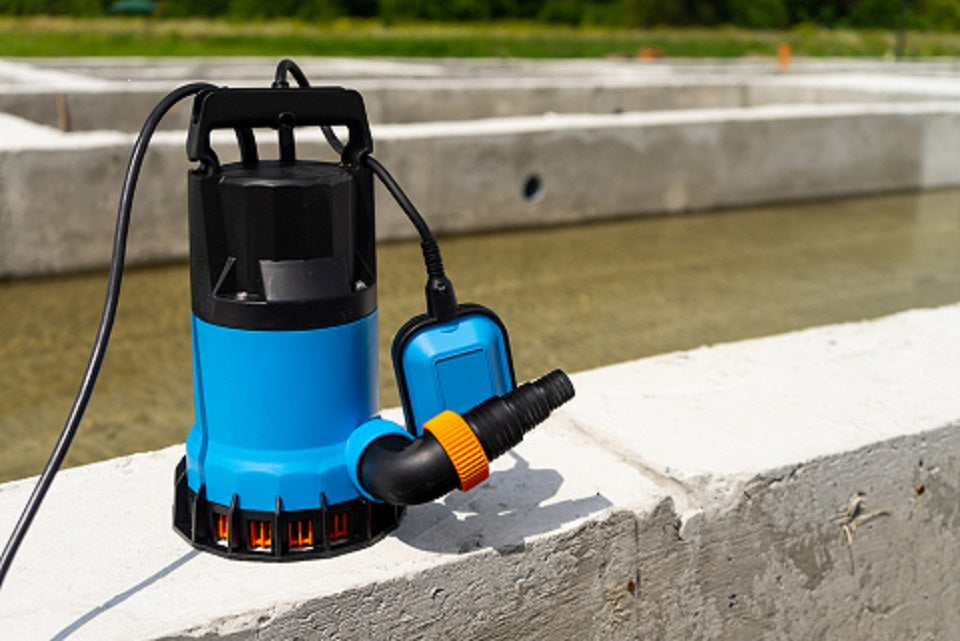
Submersible pumps offer exceptional practical benefits. They can be successfully used in demanding conditions. Their advantages include high operating efficiency, low installation costs, and effective cooling by the pumped medium. It is also worth mentioning that the phenomenon of cavitation is eliminated in submersible pumps. Cavitation is a phenomenon involving sudden pressure changes, which contributes to excessive impeller wear and frequent system failures. Using submersible pumps reduces this phenomenon to a minimum. Submersible pumps are widely used in households, agriculture, and industry. They are particularly suitable for the fruit-growing, horticultural, brewing, energy, mining, metallurgical, sugar, and municipal services sectors. They are efficient, durable, and operate quickly. Most models available on the market are equipped with an automatic float switch that turns the pump on or off depending on the level of the medium. A submersible pump can quickly dry out a flooded room or help rationalize water use in households. Among other things, they can be used to irrigate gardens. Submersible pumps are resistant to solid, viscous, and chemical substances. They can pump not only heavily contaminated media but also aggressive ones.
Submersible pumps are indispensable in households—especially those located in flood-prone areas!—and on construction sites. A standard submersible pump can pump as much as 15,000 liters of water per hour. A submersible pump can easily handle all kinds of waste, both from kitchen and bathroom appliances. Submersible sewage pumps are most often integrated with a grinder, which further increases their efficiency. Submersible pumps can be powered by fuel or electricity. When choosing the right submersible pump, pay attention to its energy class, dimensions, and technical specifications, especially its maximum operating power.