Sprayers are extremely useful devices used in gardening, agriculture, fruit growing, and plant protection. Their purpose is to apply working liquids—most commonly plant protection products, foliar fertilizers, or disinfectants—in the form of an even spray.
Depending on your needs and the scope of the work, you can choose the right type of sprayer: handheld, pressure, backpack, electric, petrol-powered, or towed. Below, we present the most popular types and their applications.
Types of sprayers – characteristics
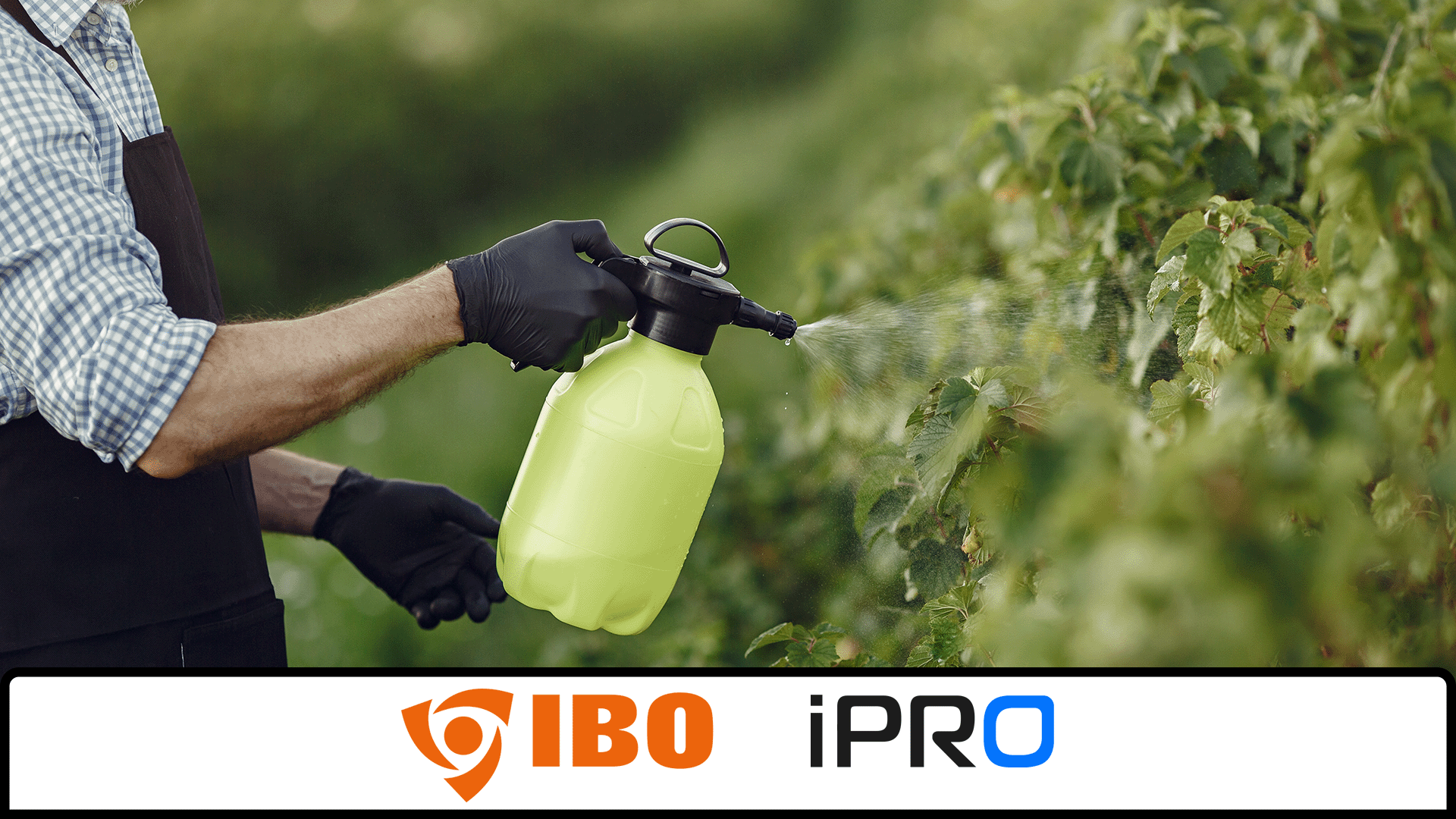
- Handheld sprayer – small and lightweight, ideal for potted plants, balcony plants, or small garden crops. Operated using a pump or spray button.
- Pressure sprayer – equipped with a tank, hand pump, and safety valve. Intended for medium-sized areas and household tasks.
- Backpack sprayer – carried on the back, often with a piston pump. Enables convenient spraying of larger areas, such as flower beds or vegetable gardens.
- Electric sprayer or battery-powered sprayer – automatically pumps liquid without the need for manual pumping. Very popular among hobbyists and fruit growers.
- Petrol-powered sprayer – a high-performance device powered by an engine. Used in orchards, vineyards, and large field crops.
- Towed sprayer – mounted on a tractor or quad bike, ideal for working on large areas. Most commonly used in conventional agriculture.
- Orchard sprayer – a specialized version for spraying fruit trees, with a suitably adapted nozzle and operating range.
How a sprayer works
A sprayer works by pressurizing and atomizing liquid. The liquid is pumped by a piston (manually, electrically, or by a petrol engine) and then reaches the nozzle, which disperses it into fine droplets. The appropriate pressure and type of atomizer enable precise coverage of plants with a chemical product or fertilizer.
In electric sprayers and battery-powered sprayers, pressure is generated automatically by a diaphragm pump. Petrol-powered models offer the greatest range and working pressure, but require maintenance and proper preparation for operation.
Where are sprayers used?
The most common applications of sprayers include:
- spraying in home gardens, allotments, and on terraces (garden sprayers),
- plant protection in orchards and tree nurseries (e.g. an orchard sprayer),
- agricultural applications – vegetable, cereal, and rapeseed crops (towed sprayer),
- disinfection, pest control, and sanitation procedures,
- foliar fertilization in organic and hobby farming.
Frequently asked questions (FAQ)
Which sprayer should I choose for my garden?
A handheld sprayer or pressure sprayer with a capacity of 5–8 liters will work best. For larger gardens, consider a backpack sprayer or electric sprayer, which provides convenience and consistent pressure.
What is the difference between a battery-powered sprayer and an electric sprayer?
These terms are often used interchangeably. A battery-powered sprayer is a type of electric sprayer with a built-in battery, so it does not need to remain connected to a power source.
Is a petrol-powered sprayer suitable for household use?
No. A petrol-powered sprayer is intended for intensive use on large areas—its noise, emissions, and weight are not suitable for home gardens.
What is an orchard sprayer used for?
It is used in orchards and fruit gardens for the precise spraying of trees. An orchard sprayer is equipped with special nozzles that make it possible to reach the tree crown and distribute the liquid evenly.
This content is for informational and educational purposes. All product and technology names are used for explanatory purposes. The descriptions do not constitute a commercial offer.