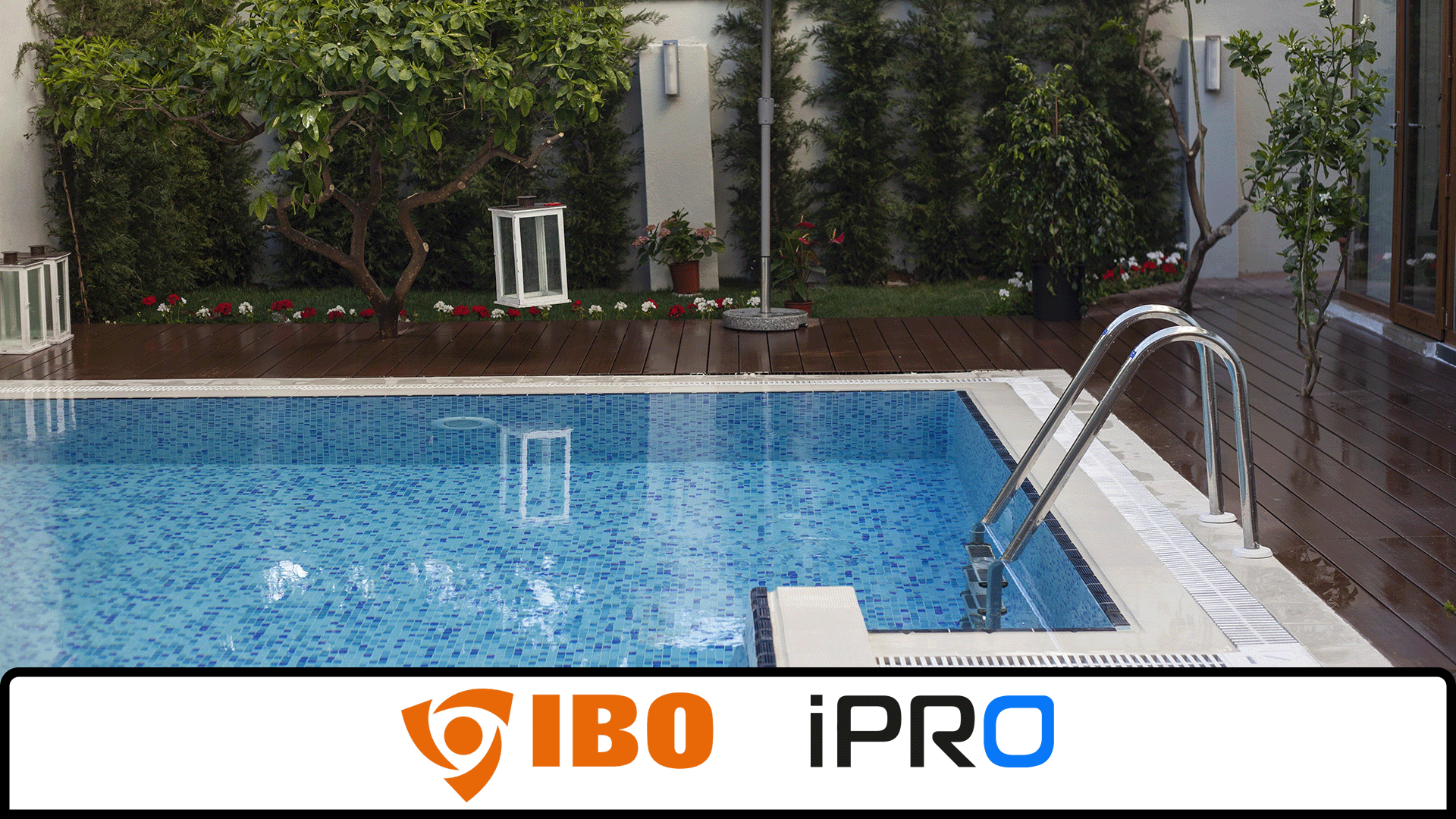
Self-priming pumps are versatile devices that draw water from the suction pipe on their own after being primed once. This makes them suitable for gardening, households, pressure booster systems, and swimming pools. W the range from Dambat – owner of the IBO brand – a special place is held by the SWIM series self-priming swimming pool pump. This quiet, compact, and exceptionally durable pump for water filtration and circulation is ideal for both private pools and smaller recreational facilities.
Explore the range of IBO self-priming pumps here: https://dambat.pl/pages/search-results-page?q=pompa%20samozasysaj%C4%85ca
SWIM Self-Priming Pumps – Ideal for Pool Water
The self-priming garden pump in the pool version from the SWIM series is equipped with a pre-filter that effectively filters chlorinated or salt water. The use of reinforced plastic and abrasion-resistant components allows it to operate in challenging water conditions, including seawater. The pump features quiet operation, compact dimensions, and thermal protection built into the motor winding.
Features of SWIM pumps:
- Self-priming design – no need to prime it every time,
- Pre-filter – traps larger contaminants,
- Reinforced, abrasion-resistant housing,
- Can be used with seawater,
- Quiet and reliable operation,
- Motor with thermal protection,
- 24-month warranty and full service (during and after the warranty period).
Self-Priming Pump – What Else Is It Used For?
Besides swimming pools, self-priming pumps are widely used in many other applications:
- Self-Priming Water Pump – for garden irrigation, watering plots, and sprinkler systems,
- Self-Priming Pressure Booster – for single-family homes drawing water from a shallow well,
- 230V Self-Priming Water Pump – plug-in version for home use,
- Self-priming dirty water pump – for pumping out water containing contaminants and light sediment,
- Self-priming fuel pump – for transferring diesel and other technical fluids,
- Self-priming motor pump – powered by an internal combustion engine, for use in the field, including with dirty water,
- 230V self-priming fuel pump – used in workshops and industrial plants.
Submersible or self-priming pump – which should you choose?
A submersible pump is used for wells deeper than 7–8 meters. It is installed directly in the water tank. A self-priming surface pump, on the other hand, is suitable for shallow wells, above-ground tanks, and pools. It is easier to install and maintain, but has a lower suction depth.
W In practice, for garden, pool, or household use, a self-priming garden pump is ideal, while a deep well calls for a submersible pump.
Frequently asked questions (FAQ)
How does a self-priming pump differ from a standard pump?
A self-priming pump can draw in water on its own after the suction line has been primed once. A standard pump needs to be continuously primed or operated below the water level.
Can the SWIM pump handle salt water?
Yes. SWIM series pumps can handle seawater. Their water-contacting components are resistant to abrasion and corrosion.
Can a self-priming pump be used for fuel?
Yes, provided it is designed for this purpose. A self-priming fuel pump must have suitable chemical resistance and seals. Fuel versions are most often offered as AOP pumps.
Which pump should I choose for watering the garden?
The best choice is a self-priming garden pump with a flow rate suited to the number of sprinklers and the area. SWIM series models are quiet and durable, making them suitable for this application as well.
The description provided is for informational purposes. Before purchasing, choose a device suited to the technical conditions of the installation. All trade names belong to their respective owners.