Many well owners wonder how to draw water from their well efficiently and, above all, comfortably. The crank and bucket, which were once the only option, are fortunately no longer necessary. Nowadays, we use modern solutions, among which submersible pumps deserve particular attention. However, to perform their functions properly, they must be installed correctly. Read on to learn what submersible pump installation involves.
Submersible pumps are modern devices that are used to extract water from deep wells. They are used in various irrigation systems, and their numerous advantages mean they are suitable for use in single-family homes, industrial plants, and farms alike. Thanks to them, we can not only have running water but also water the garden using free water from our own well. The pump will operate fully efficiently and provide comfortable use only if it is installed correctly.
The most important issue before installing a submersible pump is matching its parameters to the well’s size and capacity. Even the best pump will not meet our expectations if we overlook this issue. The well’s diameter and depth, as well as the water quality, are important factors that must be taken into account. Once we are certain that we have chosen the right device, we can begin the installation.
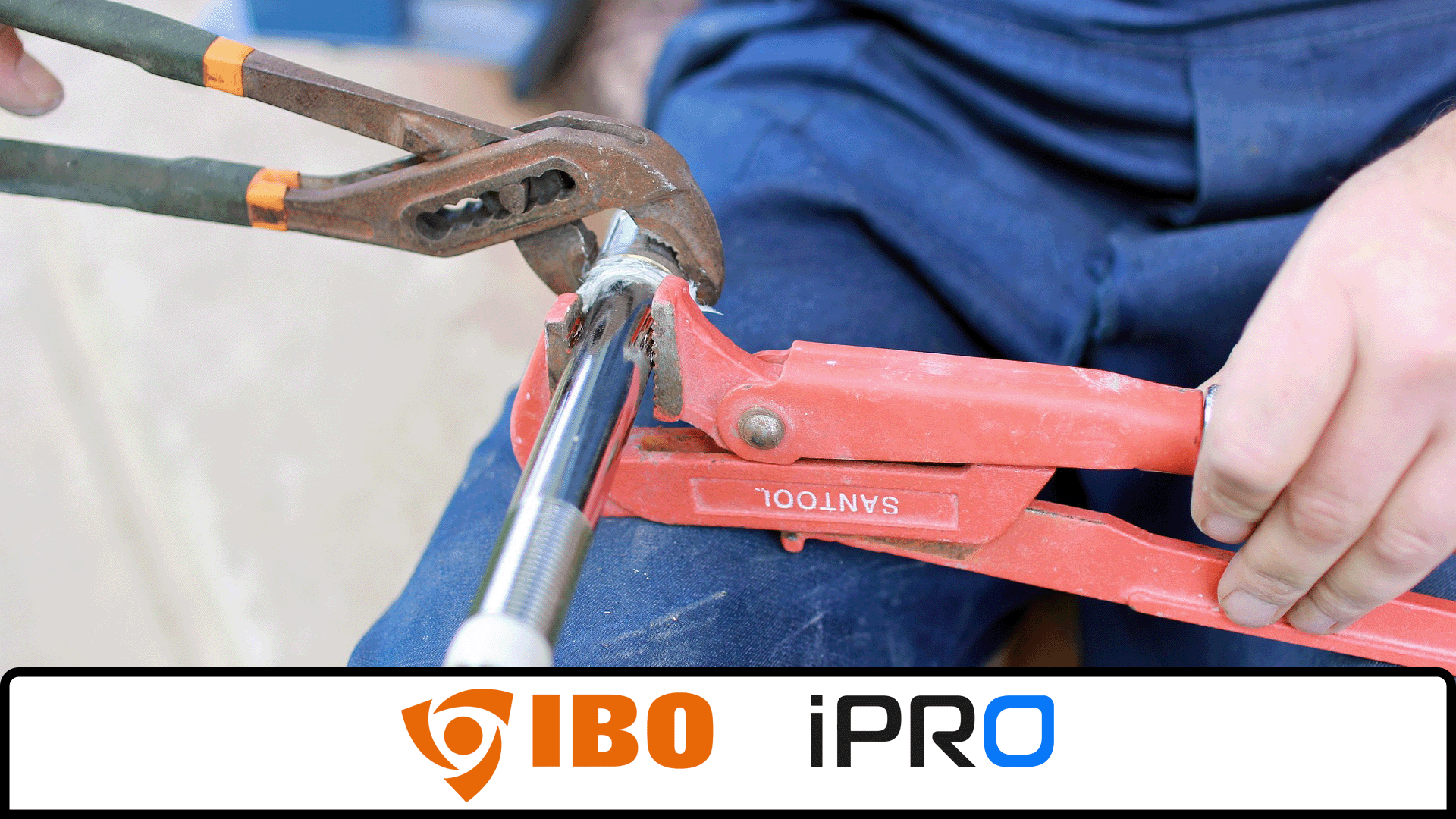
- The first step is to prepare the pump properly by screwing into it a nipple with a check valve of the same size as the threaded connection. This will not only allow the PE pipe to be connected later but will also prevent water from flowing back. Once this has been done, the PE pipe can be installed using high-pressure fittings.
- The second very important step is to install a steel cable. It will prevent the pump from falling to the bottom of the well. To ensure that it is durable, it should ideally be made of acid-resistant steel and secured with two clamps.
- For the submersible pump to operate, it must be connected to a power source. Although the power cable is included in the set, it may prove too short for deep boreholes. In this situation, the next step is to extend it using a watertight connector, then fasten it to the pipe along its entire length and feed it through the opening in the wellhead.
- The final step is to install the wellhead. It is not worth replacing it with makeshift solutions, as a professional wellhead will be durable and functional. A three-way outlet should be screwed onto the pipe above it, allowing the pump to be connected to a pressure tank and also used, for example, to water the garden. It should also be remembered that, in the case of dug wells, it is necessary to use a pipe that forces water to circulate around the motor. It will also be very useful to install devices that control pump operation, which protect the device against dry running, voltage drops, and overloads.
Proper installation of a submersible pump guarantees its correct operation. Matching it to the well’s parameters will ensure an adequate water supply and provide the user with complete comfort.