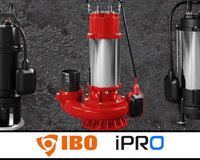
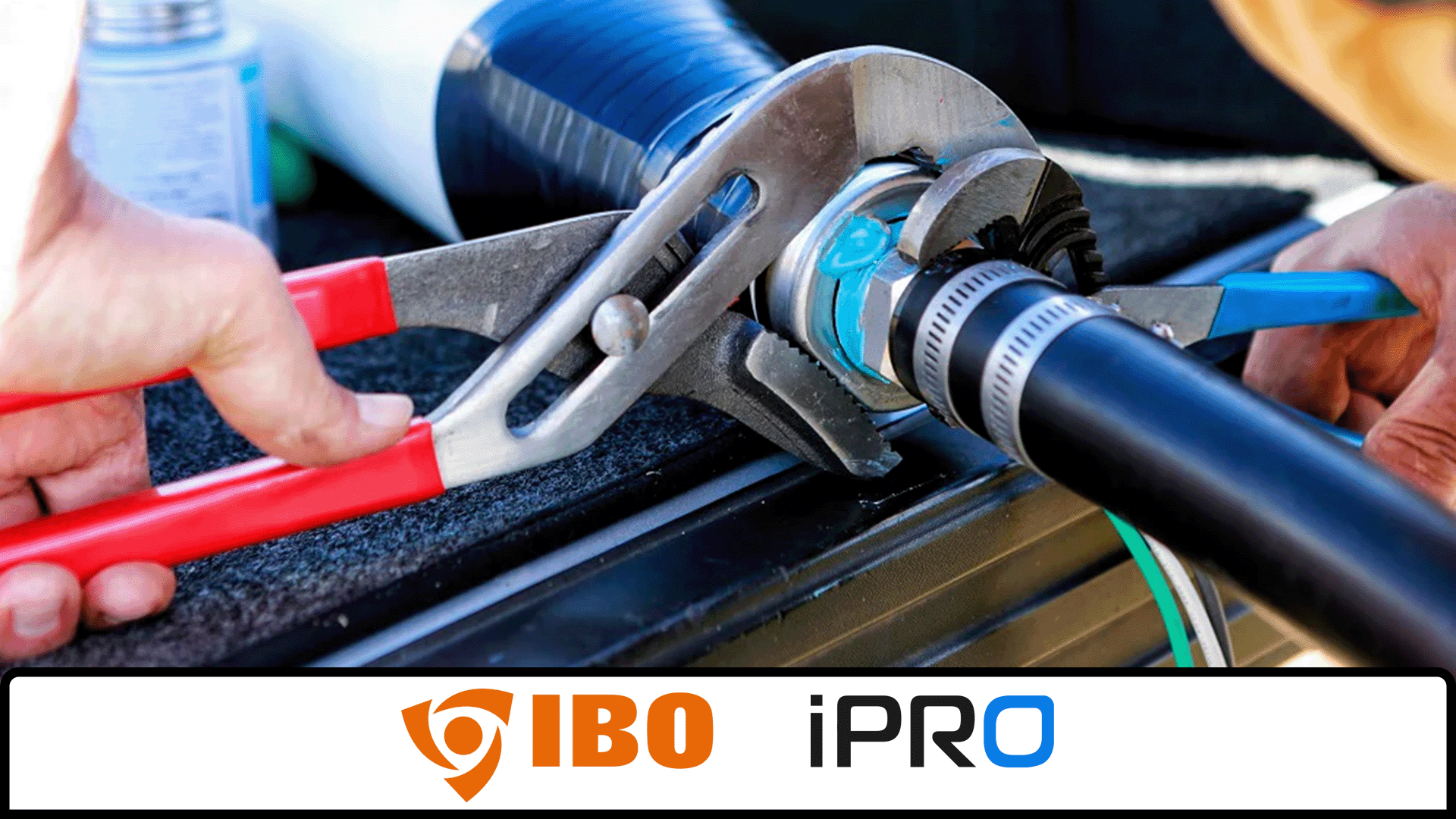
Submersible pumps are designed for demanding tasks and can operate several or even a dozen or so metres underground. They are indispensable in many situations: they supply water to households and ensure it is available at the right pressure at every outlet; they help provide water for watering plants; and larger models are ideal for large-scale industrial use. However, for a submersible pump to do its job well, it must be installed correctly. What does this involve? How does installation relate to the pump’s specifications? And what should you keep in mind? We answer these and other questions in our article.
Specifications and installation
To ensure that the submersible pump is installed as planned, it is essential to choose the right equipment carefully. What should you pay particular attention to? Above all, the quality of the workmanship and the materials used throughout the process. Modern technology in the motor and hydraulic components, along with appropriate safety features, not only improves pump performance but also makes installation easier. When choosing a pump, we must also consider its capacity and delivery head, as well as whether it can operate in so-called dirty water. It is also extremely important to check the ground and water conditions in our area. What does this mean? We need to establish the depth of the aquifer and whether its level fluctuates significantly. The size of the unit is also a key factor - it should be smaller than the diameter of the well.
What should you keep in mind?
W most cases, submersible pumps are installed vertically. The exception is equipment designed for angled installation, though no more than ninety degrees from vertical. Importantly, if the pump is installed in a well made of concrete rings or in a tank, it must be enclosed in a casing pipe.
Submersible pump must not be lowered to the bottom of the well. The manufacturer usually specifies the optimal position, stating the minimum distance between the pump motor and the bottom of the well, the minimum water level above the pump’s hydraulic assembly, and the maximum depth of the pump below the water level.
It's also worth remembering that installing a submersible pump is a complex and demanding task that requires knowledge and experience. To ensure the device operates properly, it's best to seek help from professionals.
Submersible Pump - How to Install It?
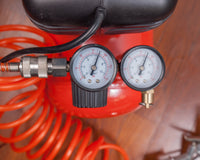
To install a submersible pump, you need to gather all the components included in what's known as a pump kit. The most important ones include a pressure tank, submersible pump, three-way outlet, pressure switch, pressure gauge, check valve, connector, and a well cap to seal the well.
Start by connecting the right components: fit the pump, check valve, connector, and well cap directly onto the submersible motor. Next, we need to:
- screw the check valve and connector into the pump,
- connect the supply pipe to the submersible pump,
- tighten the well cap,
- insert the electrical cable into the designated opening in the well cap,
- connect the water supply pipe.
Once these steps are complete, we can place the pump in the well. The next important steps are:
- tying the submersible pump cable to the well cap,
- sealing the well with a well cap,
- connecting the water discharge pipe to the pressure tank,
- installing the fittings, including the pressure gauge, pressure switch, and three-way outlet.
Once all the steps are complete, it's time to mount the tank on the wall, connect the PE pipe to the five-way outlet installed on the tank, and connect the electrical wire to the pressure switch.
Of course, every situation requires analysis and flexibility. For example, although in most cases the pump should be installed so that the lowest dynamic water level is at least two meters above the pump's discharge port, not every setup allows for this. If you encounter this problem, install special safeguards to prevent the pump from running dry. Also, when lowering the pump, make sure the power cable is secured to the discharge pipe with plastic cable ties so it doesn't break or get damaged. A check valve should be installed directly above the pump to protect it from water hammer caused by returning water.
Appropriate safety measures
Before using the pump regularly, it's important to remember a few essential safety measures. W First, it's worth checking the well's capacity. How can you do this? Pumping water continuously for at least an hour may help. If the water we draw is intended for human consumption, it must be tested for potability and composition. Safety also depends on sealing all components to prevent drinking water from mixing with groundwater.
For the entire system to operate without disruption, the electrical cable must be laid correctly and secured with plastic clamps that reduce strain. Seasonal low and even sub-zero temperatures must also be taken into account, as they can cause minor or major damage. To prevent this, it's worth adding a layer of thermal insulation and ensuring that the most important components are laid at the appropriate depth. Importantly, the pipes we use should be connected with flexible hoses that dampen vibrations and protect them from dangerous leaks.
Our offer
If you're looking for high-quality products, choose IBO Italy submersible pumps, which are a sensation on the Polish and global markets. Their design allows them to be used in a variety of irrigation systems, both in households and on an industrial scale. Most IBO pumps have increased sand resistance, allowing them to operate efficiently even in challenging conditions.
The solutions available on our website are designed for use in water supply systems, irrigation systems, and fire protection systems. The submersible pumps we manufacture are top-quality equipment made from excellent materials. They feature a wide range of specifications and professional motor performance. Check out our offer today!