Winters in our climate require advance preparation to protect various equipment from frost. This is especially important for pumps that come into contact with water, as if the water freezes, the equipment could be seriously damaged. In this post, you'll learn how to protect a deep well pump for winter.
Is frost dangerous for a deep well pump?
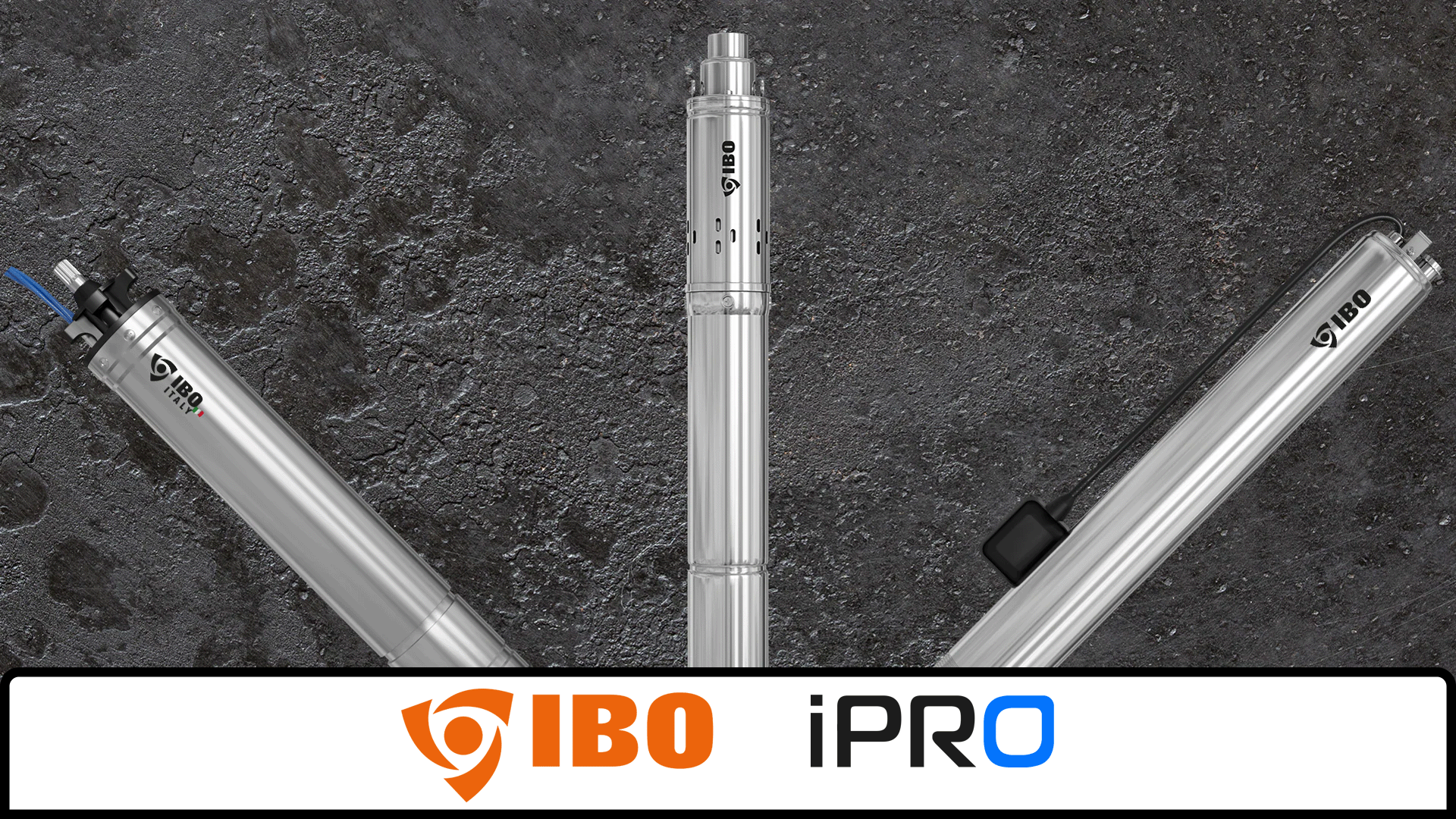
A deep well pump is a device used to draw water from wells more than 8 meters deep, as well as from water tanks. Its most important feature is its ability to generate high pressure, ensuring adequate flow at all water outlets. It usually has a compact design - a long cylinder containing a motor and a hydraulic system. Thanks to its versatility, it is used in both single-family homes and various types of industrial plants and farms.
For a deep well pump to work properly, it must be submerged at a depth of more than 8 meters. It may therefore seem that it is not at risk of freezing, since frost does not reach that far down. However, it is important to remember that the pump is not an independent device, and water can only be drawn thanks to its cooperation with the pressure tank system. Frost can be dangerous for the system, so it is important to prepare the installation properly for winter.
Why is it worth protecting your pressure tank properly?
To ensure the system safely makes it through the winter, drain the water from the pressure tank system connected to the deep well pump. If left in the pressure tank system, the water will expand when it freezes, which could cause the unit to burst. To make sure it stays safe, you can dismantle it and store it in a dry, warm place. W To do this, disconnect the pump from the power supply, unscrew the hose connecting the pump to the pressure tank, and then pour the water out of the pressure tank. There is no need to worry if some water remains inside, as it will evaporate on its own. Another option is to drain the system and insulate the unit itself.
Although preparing the pump and pressure tank system for winter can be somewhat tedious, it is definitely worth doing, as it will help prevent failures and serious damage to the equipment.