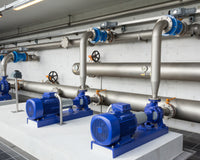
Multistage pumps constitute the foundation of modern water and technological systems. They are used wherever required high lifting height and precise raising pressure. Thanks to its complex but optimized structure, high-quality multistage pumps allow for controlled increasing water pressure while maintaining high efficiency and low energy consumption. This solution is applicable both in industrial systems and in municipal and home systems.
Characteristics and construction of multistage pumps
Construction of multistage pumps includes several rotor stages connected in one body. Each degree is responsible for a partial increasing pressure, which leads to a significant achievement water lifting height. Depending on the purpose, different materials are used - from stainless steel in models such as CPM INOX pumps or HP1500 INOX pump, to cast iron and composites in industrial equipment. Multistage pumps are characterized by: is modular, which facilitates maintenance and modernization during operation.
Vertical multistage pumps they are willingly used in limited spaces - their design facilitates installation in technical cabinets and narrow technical rooms. Horizontal versions, on the other hand, allow for greater flow while maintaining stability. In both cases vertical multistage pump or horizontal, it can be adapted to work with various media - clean water, process water, and even aggressive liquids, while maintaining high material resistance.
Operation of multistage pumps – mechanism and principle of operation
Centrifugal pumps multi-stage systems use the kinetic energy of the rotor, which is converted into pressure energy. Multistage pump mechanism allows energy to be transferred from the impeller to the liquid in a sequential manner - each step increases water pumping pressure, until the required value is reached lifting height. Multistage pumps ensuring Uniform flow is particularly important in technological processes where pressure stability determines the quality of the final product.
Modern control systems enable automatic adjustment of the engine speed to the current demand. Thanks to this multistage pumps stand out not only hydraulic efficiency, but also economic efficiency - they consume less energy in periods of lower demand, which reduces operating costs. In practice, this means better pressure management and less load on the installation.
Types and models of multistage pumps
A family of multistage pumps covers a wide range of solutions: from multistage monoblock pumps to modular structures and vertical pumps with high-efficiency engines. Models like IBO MCI or IBO WZI 250 represent modern technological solutions adapted to industrial requirements. Production multistage pumps Dambat and other recognized manufacturers are tested for requirements of multistage pumps in terms of resistance to temperature, pressure and material wear.
Hydrophore pumps and multi-stage hydrophore pump are structures dedicated to water supply and irrigation systems. They are distinguished by quiet operation, long service life and stable pressure parameters. For home installations single-family multistage pumps are an effective solution for maintaining the comfort of water use.
Single-stage and multi-stage pumps – differences in design and operation
Single stage pumps they are simpler and cheaper to produce, but generate lower pressure. Multistage pumps stand out become higher pump efficiency and the possibility of obtaining a significant amount pressure difference. Single-stage centrifugal pumps is mainly used in simple circulation systems, however multistage pumps especially they are useful in systems with high pressure energy demand - for example in industrial networks or process cooling. The choice between these solutions depends on the installation requirements and operating characteristics.
Application of multistage pumps in practice
The use of multistage pumps is extremely broad. It includes the chemical, energy, mining and food industries, as well as urban infrastructure. Pump application examples this Power supply refrigeration networks, heating systems, washing and pressure systems, as well as Power supply industrial boilers. Multistage pumps needed are in every application where stable increasing water pressure affects the efficiency of technological processes.
Vertical pumps i horizontal pumps they can work continuously for many thousands of hours. It is used in industrial systems multistage pumps available in special versions, equipped with vibration, temperature and pressure sensors, which enable precise monitoring of work.
Selection and design of multistage pumps
Pump selection it is a process that requires engineering experience. Selection of a multistage pump should take into account hydraulic parameters, working conditions and type of medium. Pump selection requires: also take into account factors such as lifting height, pressure losses in the pipeline and type of drive. Design of multistage pumps incorporates flow dynamics and vibration analysis to ensure maximum durability and pump quality.
Properly selected suitable multistage pump eliminates the risk of cavitation and ensures stability pump operation even in changing conditions. The use of modern simulation tools allows you to optimize and adapt the hydraulic system pump design to the user's needs.
Energy efficiency and automation of multistage pumps
In recent years, manufacturers have been focusing on improvement pump efficiency and reduction of energy losses. High-quality multistage pumps are increasingly equipped with inverters that dynamically regulate the engine speed. This allows you to adjust the performance to your current needs and at the same time reduce electricity consumption. As a result, multistage pumps ensuring automatic controls work quieter, more efficiently and are more ecological.
Modern vertical multistage pumps they can also be integrated with SCADA and IoT systems, which enables remote supervision of installation parameters as well as quick response to changes in pressure or flow. Such automation translates into longer service life and lower service costs.
Modern trends and technologies in multistage pumps
Contemporary production multistage pumps European companies use composite materials that combine corrosion resistance with low weight. The increasing importance of energy efficiency has resulted in the development of flow-optimized designs in which the geometry of the impeller blades minimizes hydraulic losses. Multistage pumps are characterized by: They are also becoming quieter and better cooled, which allows them to be used in laboratories and food plants where high hygiene and low noise levels are required.
The growing role of digitalization makes it possible to monitor efficiency in real time. Thanks to this design of multistage pumps and their integration with the industrial infrastructure is faster, and data from sensors helps in the precise selection of devices.
Analysis of operational data and service of multistage pumps
Servicing the multistage pump using analytical technologies allows detecting micro-damages and preventing failures. Multistage pumps stand out have a long service life, but require periodic inspection of bearings and seals. Construction of multistage pumps in the plants of Dambat and other manufacturers is carried out in compliance with rigorous ISO standards, which guarantees reliability and high quality pump.
In modern installations, operational data is analyzed in real time. This allows you to determine energy consumption trends and predict when maintenance is necessary. This solution reduces maintenance costs and ensures uninterrupted operation of the installation - crucial in the chemical and water supply industries.
Summary – the importance of multistage pumps in flow engineering
Multistage pumps ensuring Stable liquid flow is an essential element of industrial infrastructure. Theirs construction of multistage pumps and modern materials guarantee high pump efficiency and long service life. Multistage pumps stand out can operate in a wide range of pressures and temperatures, which makes them a universal solution for many sectors of the economy. The use of intelligent control systems makes this possible high-quality multistage pumps today they are a symbol of efficiency, reliability and engineering precision.
Frequently asked questions (FAQ)
How does a multistage pump work?
Multistage pump works by gradually increasing water pressure in subsequent working chambers. Each impeller adds energy to the fluid, which helps achieve high lifting height. Thanks to this multistage pumps ensuring even flow are used where stability is necessary raising pressure and high installation efficiency.
Where are multistage pumps used?
The use of multistage pumps includes industry, hydrophore systems, refrigeration systems and water supply networks. Vertical multistage pumps is used in multi-story buildings and production plants, however multistage hydrophore pumps They are perfect for home and agricultural installations. Their flexible design allows them to work in many sectors - from industry to municipal infrastructure.
What is the difference between single-stage and multi-stage pumps?
Single stage pumps they have one rotor and generate moderate pressure, however multistage pumps they use several rotors, thus achieving higher pressure i high lifting height. In practice multistage pumps stand out with greater efficiency, quieter operation and the ability to work in systems with variable hydraulic load.
How to choose the right multistage pump?
Pump selection requires analysis of installation parameters – lifting height, type of medium, hydraulic losses and working conditions. Selection of a multistage pump should take into account flow and expected characteristics pump efficiency. To ensure reliability, it is worth using hydraulic simulation tools or consulting a manufacturer such as Dambat or IBO.
What are the advantages of multistage pumps?
High-quality multistage pumps they offer high pressure with low energy consumption. Multistage pumps are characterized by: long service life, low noise level and the possibility of integration with automation systems. Plus, theirs construction of multistage pumps enables easy servicing and expansion of the system with further stages if necessary to increase performance.
How often should a multistage pump be serviced?
Servicing the multistage pump recommended every 6-12 months, depending on work intensity and environmental conditions. Regular inspection of bearings, seals and alignment prevents failure and extends service life. In models such as IBO WZI 250 or CPM INOX pumps quick access to key elements is provided, which facilitates maintenance and upkeep high quality pumps.
Are multistage pumps energy efficient?
Yes. Contemporary production multistage pumps European plants are equipped with inverters that automatically adjust the engine speed to the flow demand. This allows you to significantly reduce energy consumption. Multistage pumps ensuring frequency regulation is therefore not only efficient, but also environmentally friendly and economical in operation.
Are vertical multistage pumps different from horizontal ones?
Yes. Vertical multistage pumps they take up less space and are ideal for installation in technical rooms with limited space. Horizontal pumps however, they offer greater flow and easier service access. The choice depends on the installation conditions, pressure requirements and type of application.
What are some examples of the use of multistage pumps?
Pump application examples include irrigation systems, washing systems in the food industry, refrigeration circuits, fire protection installations, as well as Power supply multi-story buildings. Multistage pumps especially They work well where flow stability and precise control are required water pressure.
How long does a multistage pump last?
Service life multistage pump depends on the quality of workmanship, type of medium and regularity of maintenance. High-quality multistage pumps from manufacturers such as Dambat or IBO they can work without failure for many years. Regular inspections and correct selection vertical multistage pump or horizontal are the key to maintaining its efficiency.
Where to buy devices IPRO?
Our products IPRO you can buy on B2B platform. If you are an end customer, we encourage you to check out ours partner stores and wholesalers. You can also always contact us: +48 22 721 11 92, biuro@dambat.pl.