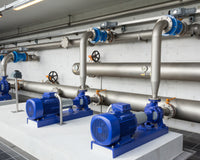
Diaphragm tank this is crucial element of the hydraulic installation, responsible for stabilization pressure caused by the change water temperature and flow. In modern ones hydrophore systems and water supply installations acts as a buffer that equalizes the capacity and protects the system against water shocks. Thanks to a flexible membrane or diaphragm, the tank allows for compensation changes in water volume without energy loss and risk of damage to the installation.
Diaphragm hydrophore tanks – role and application
Diaphragm hydrophores and diaphragm hydrophore tanks are used in domestic and industrial water systems. Their job is water storage and maintenance appropriate water pressure throughout the system. In systems where pressure increase is dynamic, the tank acts as a shock absorber, limiting water hammering and protecting the fittings. Everyone hydrophore tank is factory calibrated to respond to pressure caused by change temperature and water volume.
Use of expansion tanks is necessary in installations with pumps in which domestic water is supplied cyclically. Expansion tanks protect system against pressure overloads and loss of hydraulic stability. Additionally, they allow you to limit the frequency of switching on the pump, which extends its life and improves the efficiency of the entire system.
Types of expansion tanks and their construction
Types of expansion tanks they differ in structure, orientation and purpose. They are the most commonly used vertical diaphragm tanks and horizontal diaphragm tanks. The vertical version takes up less space and works well in small boiler rooms, however diaphragmatic horizontal facilitates integration with hydrophore pump. Both types can be used as diaphragm hydrophore tanks in pressure systems.
Membrane tanks are equipped with elastic EPDM membrane, which separates the water from the airbag. This design allows for safe operation capacity equalization and precise control water pressure. Everyone element of the expansion tank is designed to minimize hydraulic losses and elongation service life of the expansion tank.
Diaphragm tanks for various installation systems
In practice it is used expansion tanks for water supply installations, for heating systems, for central heating, and also for refrigeration systems i solar. Each of them has specific operating and permissible parameters pressure caused by change medium temperature. W hydraulic installations heating systems are used red diaphragmatic vessel, while in drinking water systems – white diaphragm vessel, in accordance with sanitary requirements.
Diaphragm tanks intended for for operation at high temperatures, they are resistant to corrosion and adapted to work with various media. In solar and refrigeration systems expansion tanks provide protection installation before pressure increase resulting from changes in water volume or glycol, and also enable safe operation capacity equalization under changing working conditions.
Diaphragm hydrophores and hydrophore tanks – differences and applications
Diaphragm hydrophores are complete sets that include hydrophore tank, pump and pressure switch. Their operation is based on the phenomenon of air compression in the space above EPDM membrane, which enables effective water storage and reduction of frequent pump cycles. Diaphragm hydrophore tanks are commonly used in residential buildings and farms.
Horizontal hydrophore tank it is often mounted directly with the pump on a common frame, creating a compact set. It works perfectly when space is limited vertical diaphragm, which takes up less space. Types of hydrophore tanks and them capacity of diaphragm hydrophores is selected depending on the water demand and the characteristics of the installation.
Selection and maintenance of expansion tanks
Selection of an expansion tank should be based on the installation parameters and required capacity of the expansion tank. Suitable expansion tank guarantees optimal water pressure and longer pump life. Selection of a diaphragm hydrophore depends on the pump power, the number of draw-off points and allowable hydraulic losses. In practice, it is recommended to select the capacity so that: pressure caused by change was within the tolerance limits of the system.
Regular maintenance of expansion tanks involves checking the air pressure, the condition of the diaphragm and the safety valve. Maintaining the proper balance between air and water allows for efficiency capacity equalization and eliminates the risk of cavitation. It's worth remembering that suitable tank with a certified EPDM membrane ensures long and failure-free operation even in difficult operating conditions.
Advantages of using membrane tanks
Membrane tanks i diaphragm hydrophore tanks They are characterized by maintenance-free operation, high resistance to temperature changes and durability. Advantages of expansion tanks it's stabilization water pressure, protection against water shocks, as well as reducing energy losses. Thanks to the use of elastic EPDM membranes, the inner surface of the tank is not in contact with air, which prevents corrosion and contamination of utility water.
For larger systems hydraulic installations applies hydrophore sets with many diaphragm hydrophore tanks, which they regulate together pressure increase i change in water volume. This solution is not only efficient, but also safe and compliant installation security against hypertension.
Diaphragm tanks – offer and available solutions
W offer of expansion tanks Models with different capacities and mounting orientations are available. Expansion tanks available are made of steel, enameled and stainless steel, which allows you to choose a solution that suits the specificity of a given hydraulic installation. Hydrophore storage tanks domestic water comes in capacities ranging from several to several hundred liters, so they can be used in both domestic and industrial water systems. water supply systems.
By selecting hydrophore diaphragm tank, it is worth paying attention to the diaphragm material, operating parameters and permissible pressure. Diaphragm tank system with a properly calibrated air valve and pressure fuse is a guarantee of durability and reliability over a long period of use. Diaphragm hydrophores offered by manufacturers have certificates of compliance with European standards, which confirms their quality and operational safety.
Summary – the role of the expansion tank in modern installations
Diaphragm tank this an important element of the installation, ensuring stability water pressure, protection against water shocks and optimal capacity equalization. Its design allows for compensation changes in water volume and effective management pressure caused by the change temperature. Both expansion tanks for heating systems, as well as diaphragm hydrophore tanks guarantee high reliability and operational safety. By choosing suitable expansion tank, the user gains a durable and economical solution that supports the proper operation of the entire system hydraulic installation.
Frequently asked questions (FAQ)
How does an expansion tank work?
Diaphragm tank works on the principle of compensation pressure caused by the change liquid volume. There is elastic inside EPDM membrane, separating water from compressed air. As it grows water volume in the installation, the air is compressed, which makes it possible capacity equalization and stabilization water pressure. This solution protects the installation against water shocks and switching on the pump too often.
What is the diaphragm hydrophore tank used for?
Diaphragm hydrophore tank serves as a water storage and pressure buffer in hydraulic installations i water supply systems. It enables water storage and keeping it ready for use at constant pressure caused by the change flow. It is used in household hydrophore sets and in industrial systems where stability is required water pressure and pump overload protection.
What types of expansion tanks are there?
It stands out vertical diaphragm tanks, horizontal diaphragm tanks and membrane tanks. Vertical models are used where saving space is important diaphragmatic horizontal facilitates the installation of the pump on a common frame. Diaphragm hydrophore tanks they also differ in their purpose - they can be adapted to heating systems, refrigeration or solar, depending on the medium and operating temperature.
How to choose the right expansion tank?
Selection of an expansion tank depends on capacity of the expansion tank, maximum pressure caused by the change and type of installation. In the case of domestic water systems, tanks with a capacity of 24 to 100 liters are used, while in industrial systems - even several hundred liters. Suitable expansion tank should be selected to ensure a balance between the amount of stored water and the operating pressure of the system.
How often should maintenance be performed on expansion tanks?
Regular maintenance of expansion tanks includes checking the air pressure in the gas chamber, valve tightness and condition EPDM membranes. It is recommended to perform an inspection every 6-12 months. Maintaining the correct pressure parameters helps to avoid excessive pressure pressure increase and extends service life of the expansion tank. More frequent inspections and cleanings are recommended for highly stressed systems.
What is the difference between a red diaphragm vessel and a white one?
Red diaphragm vessel is intended for heating systems i central heating, where the medium temperature can reach up to 120°C. White diaphragm vessel used in installations with utility water, because its interior is made of materials approved for contact with food. The choice of the color of the vessel depends on its purpose and operating conditions.
What are the advantages of using membrane tanks?
Advantages of expansion tanks and membranes mean long durability, maintenance-free operation and effective protection of the installation. Expansion tanks protect layout before water shocks, stabilize water pressure and enable smooth flow capacity equalization. Thanks tight EPDM membrane water does not come into contact with air, which prevents corrosion and extends the life of the entire system.
Are expansion tanks necessary in every installation?
Yes, mostly modern ones hydraulic installations i hydrophore systems expansion tank is essential. It stabilizes pressure caused by change flow and prevents damage to the fittings. Diaphragm tanks intended for for water, heating or cooling systems ensure safe and economical operation of the system, regardless of its capacity and type of medium.
How long does an expansion tank last?
The service life of the expansion tank depends on the quality of workmanship, membrane material and operating conditions. High-quality expansion tanks with elastic EPDM membrane they can work from 5 to 15 years. Regular maintenance and maintaining the appropriate pressure in the air chamber significantly extends the operating time and reduces the risk of failure.
What capacity do diaphragm hydrophore tanks have?
Capacity of diaphragm hydrophores they range from several to several hundred liters. Small diaphragm hydrophore tanks used in home z systems utility water, and large ones - in industrial and agricultural plants. The choice of capacity depends on water volume in circulation, pump operating frequency and demand appropriate water pressure.
Where to buy IBO devices?
Our products IBO you can buy on B2B platform. If you are an end customer, we encourage you to check out ours partner stores and wholesalers. You can also always contact us: +48 22 721 11 92, biuro@dambat.pl.