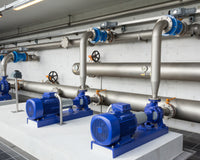
Iron in the heating circuit is a silent killer of pumps - magnetite particles settle on the rotor, in the circulation pump chamber and in the boiler exchanger. In this article we show you how the water iron remover works in the magnetic variant and where to mount water iron remover in central heating and hot water installations. We write from the perspective of the Dambat team - a brand manufacturer IBO i IPRO – based on real structures from our catalog.
Where does iron come from in the installation and why is it harmful to the pump?
In a closed system, the main heating system iron compounds arise from corrosion of steel elements. The magnetite circulates with the medium until it settles in the narrowest narrowing - usually in the gap between the impeller and the pump body. Good filter removes iron compounds up to date, a iron removal process protects the pump against seizure. In CWU, the problem has a different source: well water, groundwater i tap water they tend to be rich in iron. Yes water containing iron gives rust color, metallic taste i the smell of water – a signal that water parameters they require correction and it is needed water removal. High iron content lowers efficiency and increases it water consumption, so if you have steel in your system or your own water intake, probably you need a water iron remover.
The principle of operation of the IBO magnetic iron remover
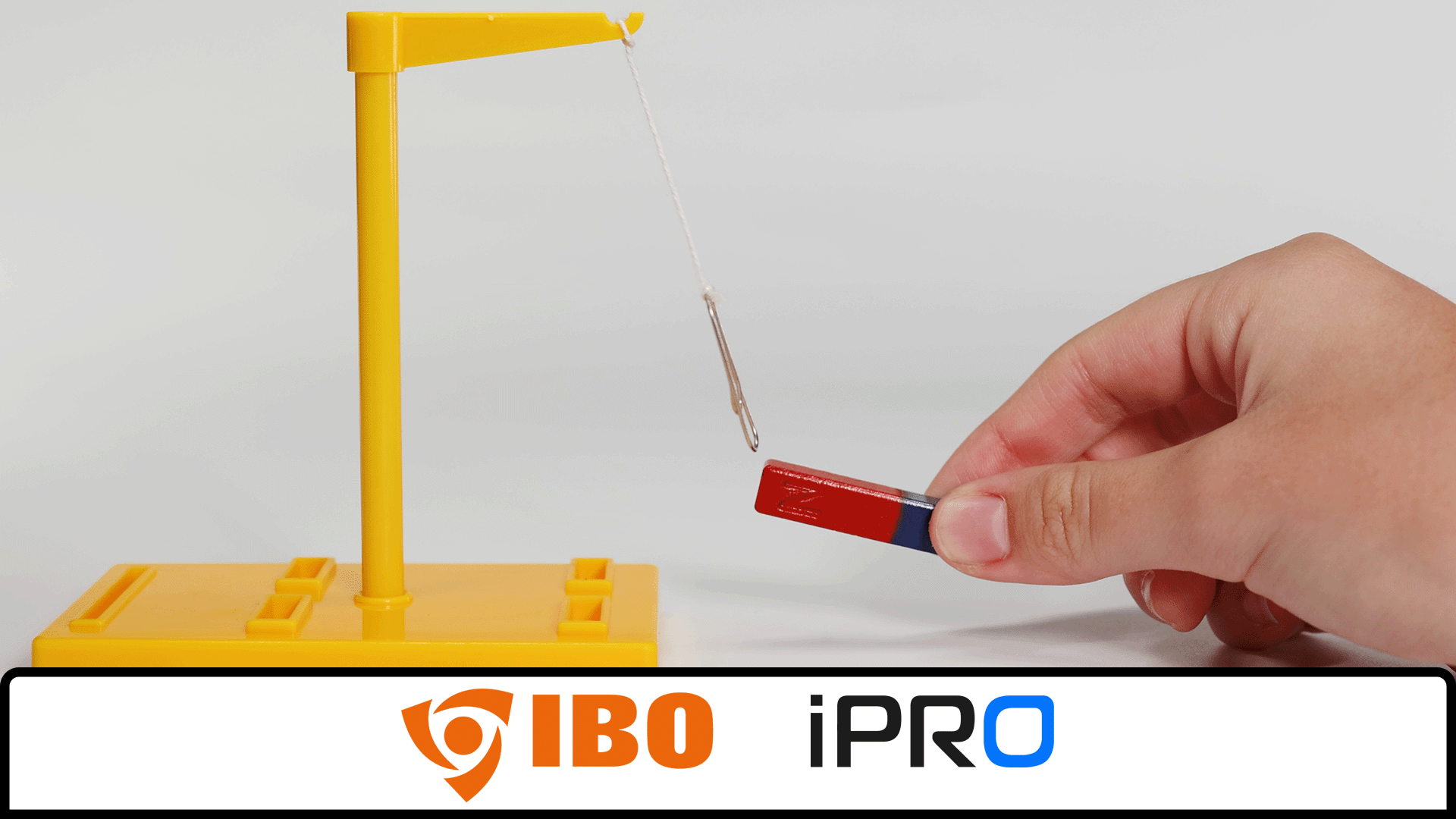
Ours water iron remover the magnetic version combines hydrocyclone separation with magnetic capture. The principle of operation of the iron remover is simple: the medium enters tangentially into a swirling motion, heavier particles fall, and the magnetic core attracts magnetite. Effect of iron remover is based on two barriers - a magnetic capture field iron ions and a mesh filter. It's double action of the iron remover makes removal of iron compounds is effective regardless of whether the sediment is magnetized.
Specifics from our catalog - the IBO magnetic filter series has repeatable parameters that facilitate the selection:
- Filtration: ≥ 500 µm (stainless steel mesh); in the IBF-04 model even ≥ 100 µm
- Magnet strength: 9,000 Gauss
- Max. liquid temperature: 90°C
- Max. working pressure: 8 bar (I-001/002/003 series) or 3 bar (IBF separators)
- Max flow: 30, 70 or 100 l/min depending on the model
This water iron removers using magnetic field, i.e iron removal technology easiest to use. The second family is columns with a bed - different water removal method described below.
Installation of a water iron remover in central heating - protection against ferrite deposits
In central heating installation of a water iron remover is to protect circulation pump against ferrite deposits. The filter is installed on the return pipeline, just before the boiler and before the pump, so that iron removal occurred before the sediment settled. The key advantage of our designs are integrated shut-off valves: using a water iron remover it comes down to closing both valves, opening the drain and rinsing the body - without draining the entire installation. Like this rinsing the water iron remover takes a few minutes, a rinsed iron remover returns to work immediately. Iron remover rinsed with water from the network does not require chemicals.
The selection of the diameter depends on the connection (¾" or 1") and the flow. Models for CO can be found in the collection magnetic separators and iron removers: IBO I-003 1" magnetic filter (100 l/min, 8 bar), smaller I-003 ¾" and IBO separator IBF-07 1" (70 l/min, body 230 × 145 mm).
Installation in hot water and utility water – water quality matters
In DHW filter or iron remover we install them next to the others water filters, before entering the pump or furnace, by iron-free water reached end devices. The combination of a mechanical and magnetic filter is effective water filtration for houses with wells; dedicated iron removal filters they catch sediment before it reaches the installation. He works here utility water – washing machine, dishwasher, shower – and the goal is clean drinking water no raid. Terminology note: although it is said that the iron remover softens the water, in fact, it removes it iron compounds, a water hardness only the softener lowers it. Water softening and iron removal they are different processes - that's why water treatment softening we connect them in one string in the right order.
When there is also manganese in the water, we reach for it manganese remover. Water removers they work similarly to iron removal filters, but the deposit is selected for manganese; we often combine both functions in a device with multifunctional deposit, which he raises quality of utility water without multiplying devices. An example of an inline product for domestic water is magnetic water conditioner with ¾" scale reducer (10 bar, up to 120°C).
Magnetic filter or bed column? Two water treatment technologies
W water treatment technology we have two families. Classic water iron removers these are filled pressure columns filter bed; they implement water treatment process by aeration and passing through iron removal bed, which captures precipitated iron, and rinsing regenerates the insert. The magnetic filter is an inline device without a bed - lower water treatment costs, no cartridge to replace. The column wins where high iron content lasts all year round because it is magnetic removal of excess iron has its limits. Full water removal systems they often combine both stages. Water iron removers available They have different sizes here, so reliable water removers it's a matter of proper selection, not the largest model.
Selection of a water iron remover – without oversizing
Accurate selection of water iron remover it starts with numbers. Outsource water testing – water quality analysis I'll show you iron concentration, manganese, water hardness and reaction, and thus exceeding iron standards. The second variable is flow: match maximum flow filter (30/70/100 l/min) for real consumption, matching it with efficiency submersible pump or surface pump and capacity expansion tank. The third is the goal: at CWU we strive for status high water quality, a improving water quality this is usually the sequence: mechanical filter → iron remover/manganese remover → optional water softening. You can set the pump control from the level drivers i inverters.
Operation and service
Even the best iron remover requires servicing: close the valves, remove the insert, remove sediment, rinse the body. The frequency depends on the intensity iron removal – from once a quarter in a heavily corroded CO2 to once a season in a clean CO2 tap water. If it comes back despite the service rust color or growing amount of iron in sample, expand water treatment system about a column with a bed. Water pollution they also load the valves and the exchanger, so they are consistent removal of iron compounds extends the life of the entire installation – also DHW circulation pump i submersible pumps. We have gathered the full offer in the collection thermal comfort in your home. Use of iron removers it is an investment in the longer life of the pump - choose the device according to the real one water parameters, and if in doubt, which one choose water iron remover, write to us.