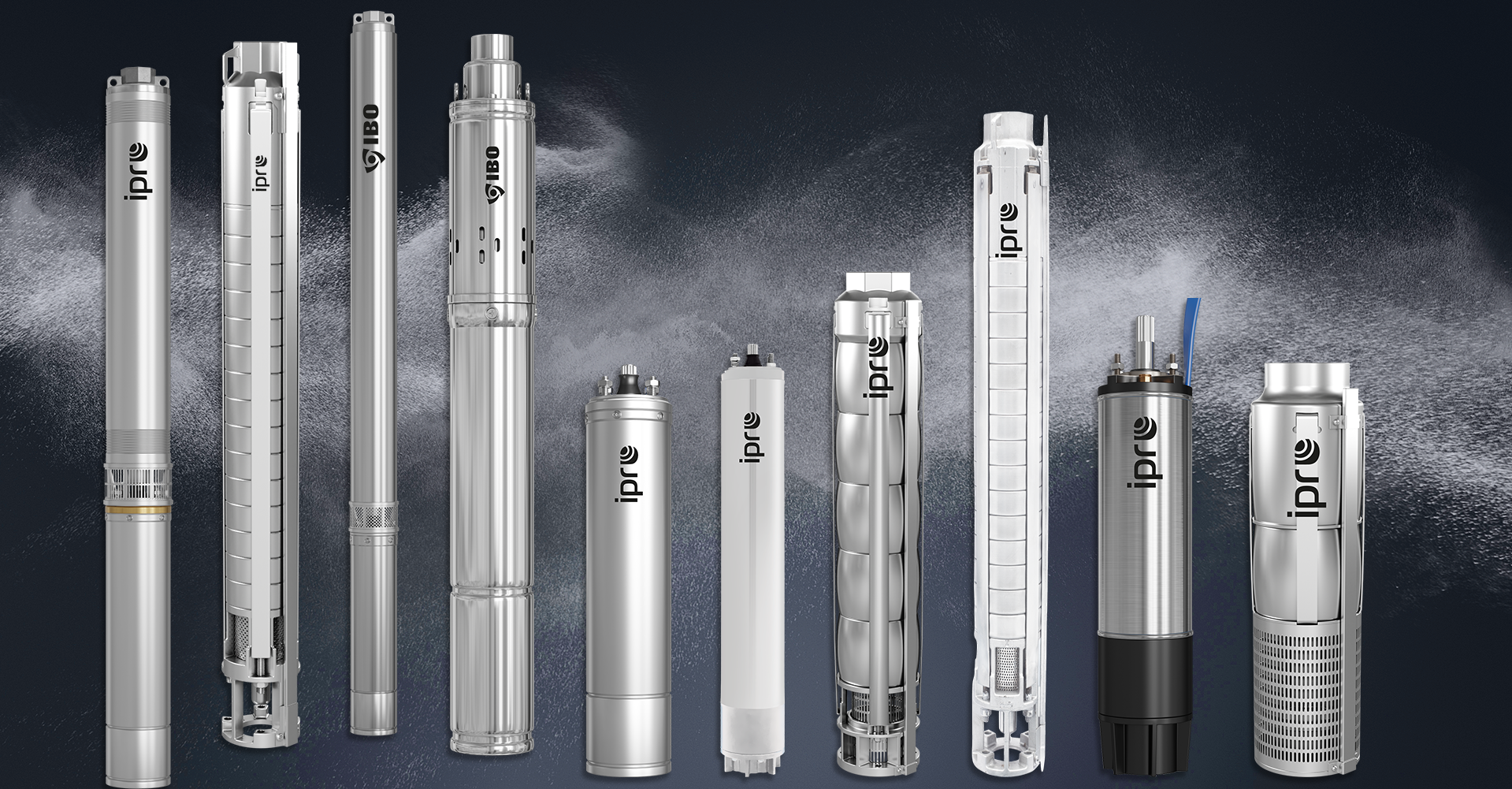
A submersible pump is one of many types of pressure pumps. It is used to pump water from very great depths. It has a screw or monoblock structure and works on the principle of a centrifugal pump. It is adapted to work in water and is widely used in industry and households. A submersible pump is, among other things, necessary to extract water from deep wells. Let's check what parameters should you pay attention to when choosing the right submersible pump?
Energy efficiency and operational reliability
A suitable submersible pump should, above all, be efficient and reliable. High efficiency should be accompanied by energy efficiency and reliable operation in all conditions. The operating expenses of a submersible pump should not be too high. The submersible pump must have a low energy consumption factor. It should be operated in the highest efficiency range. Submersible pump it will be energy-saving if it is correctly selected for the type of well, diameter and depth of the well, depth of the water table, height of the building, water demand and the distance of the well from the building. The engine power is also important for the pump's efficiency, which usually ranges from 500W to 1500W. The thermal parameter, i.e. the permissible value of the liquid temperature, is also important.
Pump capacity Q and head H
Determining the pump efficiency parameter involves determining the operating point. The pump efficiency is expressed in dm3/s or m3/h, i.e. it means the volume of liquid that will be pumped in a given unit of time. Put simply, pump efficiency is the flow rate necessary to cover the water demand. The pump capacity must, on the one hand, meet the operational needs of the powered facility and, on the other hand, be adapted to the well capacity and flow resistance. The pump capacity must always be lower than the well capacity.
The lifting height of the liquid is expressed in meters of the liquid column and determines the pressure to be generated by the pump, taking into account approximately 20% of linear and local losses. The geometric lifting height is the difference between the highest liquid receiver and the water surface. It is best to measure the distance from the water table to the water connection in the building, and then from the connection to the highest receiving point. Both values should be added together and then added 20% of the geometric lifting height and an additional 20 meters, thanks to which the correct value of the required pressure in the tap will be maintained.