Check valves – reliable protection of the installation
Check valve is a key element in many hydraulic and pneumatic systems, ensuring unidirectional flow of the medium. On offer Dambat, under the brand name IBO, you will find a wide selection of check valves adapted to a variety of applications - from water installations to fuel systems. Thanks to the appropriate selection of materials and construction, IBO valves are characterized by long service life and high resistance to failures. They will work well both in home installations and in more demanding industrial applications.
Types of check valves available at IBO Dambat
Depending on your needs, you can choose from different types of check valves:
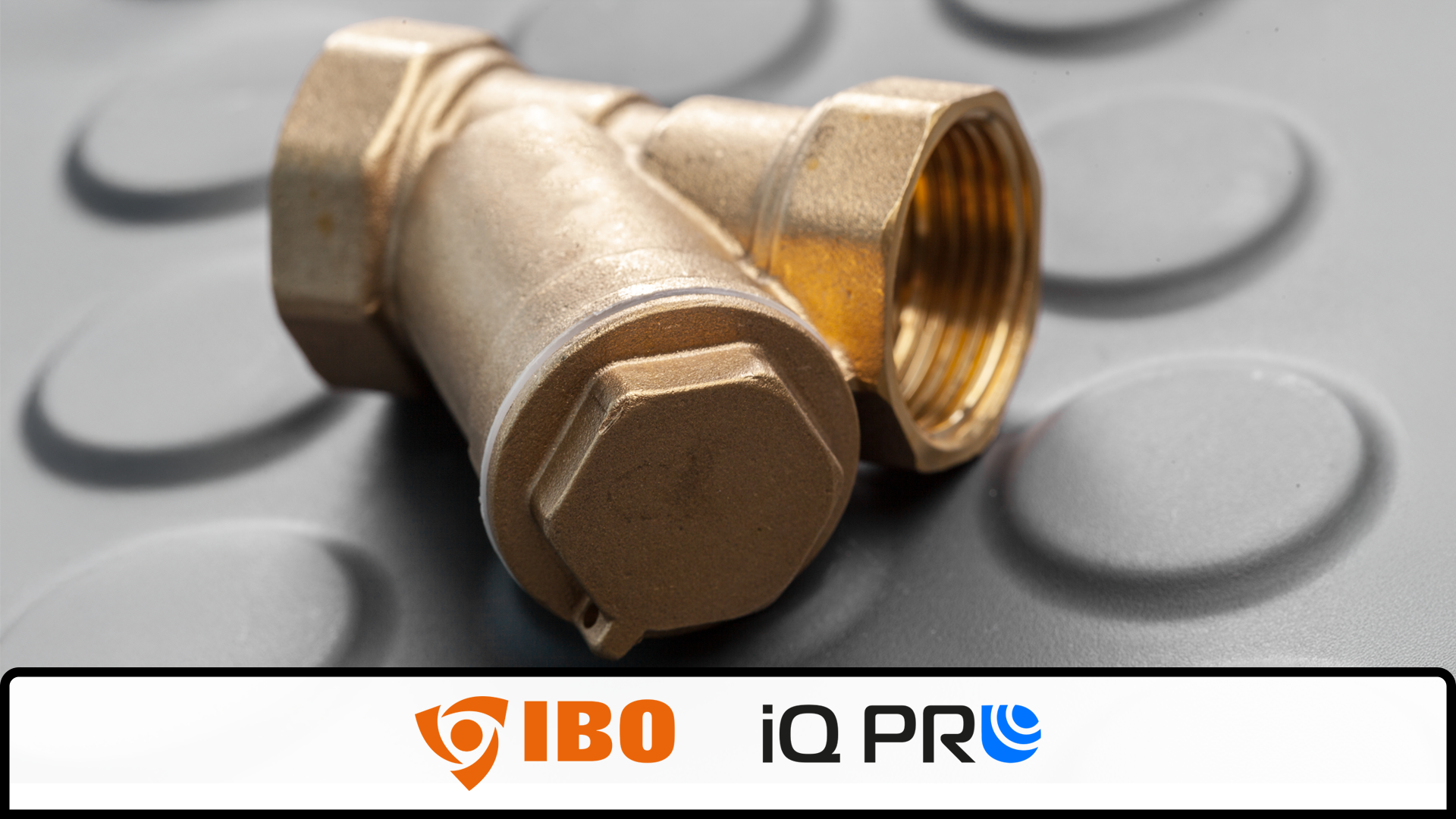
- Brass check valves – corrosion resistant, ideal for water installations. Perfect for use in sanitary, heating and water supply systems.
- Cast iron check valves – characterized by high mechanical strength. They are suitable for large industrial installations and high-performance flows.
- PVC check valves – light and resistant to chemicals, used in swimming pool and industrial systems. Easy to install and extremely durable when working with aggressive media.
- Flanged ball valves – ensuring tightness and ease of installation in large installations. Used, among others, in fire protection, industrial and water supply systems.
Use of check valves
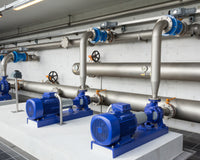
Water check valves are commonly used in hydrophore systems, water supply installations and in deep-well and surface pumps. They prevent water from flowing back, thus protecting the pumps from damage. They also support the stabilization of pressure in the installation and reduce the risk of hydraulic phenomena such as water hammer.
Fuel check valves are used in fuel systems of vehicles and machines, preventing fuel from flowing back into the tank and maintaining appropriate pressure in the system. Their operation is crucial for the proper functioning of the engine. Valves of this type are made of materials resistant to fuel, so although Dambat does not offer them, their principle of operation is analogous to those used for water.
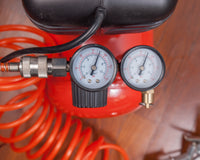
Check valves for the compressor are essential in pneumatic systems, ensuring unidirectional air flow and protecting the compressor from damage in the event of a pressure drop. Their use increases the safety and efficiency of compressed air systems. They are available in various variants - both for home use and professional workshop installations.
Selection of the appropriate non-return valve
When choosing a non-return valve, pay attention to:
- Connection diameter – ½", ¾", check valves available 1 inch, 1¼", 1½", 2 inches and bigger. The higher the flow, the larger the connection diameter should be selected for the installation.
- Material of construction – brass, cast iron, PVC – depending on the medium and working conditions. The operating temperature and possible aggressiveness of the medium should also be taken into account.
- Valve type – ball, flap, combined – adapted to the specificity of the installation. The choice of valve type affects its response to flow changes and ease of servicing.
IBO Dambat check valve range
In stock IBO Dambat you will find check valves with various technical parameters, meeting the requirements of both home installations and industrial systems. The products are characterized by high quality of workmanship, durability and operational reliability. The offered valves are available in threaded and flanged versions, and their installation is quick and hassle-free. Their effectiveness has been confirmed by many installers and users.
Frequently asked questions (FAQ)
How does a non-return valve work and does it require servicing?
Check valve allows the medium to flow in one direction only. If fluid or air tries to backflow, the valve's closure element blocks the flow. In most cases, these valves are maintenance-free, although it is recommended to periodically check them for contamination and wear.
Where is the best place to install a check valve in the water system?
The valve should be mounted as close to the suction source as possible - e.g. at the pump inlet. In a hydrophore system, it is usually placed at the end of the suction pipe, which prevents pressure drops and the need to re-prime the installation.
Is a fuel check valve different from a water check valve?
Yes, it differs primarily in the material of manufacture - fuel valves are resistant to contact with gasoline, oil and bio-diesel. The principle of operation remains the same - they prevent the medium from flowing back. Water installations use materials resistant to corrosion and contact with drinking or utility water.
What is a throttling non-return valve and when to use it?
Choke-return valve combines the function of throttling the flow with protection against its reverse flow. It is used where flow regulation is necessary, e.g. in hydraulic, compressed air or oil systems. This allows for more precise installation operation.
Do check valves for ventilation work the same as for water?
Ventilation check valves have a similar function - they prevent the return of air or odors. They are usually made of light materials (e.g. plastic) and have a flap that lifts under the influence of flow. However, they differ in design and material from liquid valves.